PAM Supplier China: MOQ & Pricing 2026
Complete guide to sourcing polyacrylamide from China. Learn about MOQ requirements, pricing factors, and how to choose a reliable PAM manufacturer.
Expert knowledge on polyacrylamide applications, technical specifications, and industry best practices.

Complete guide to sourcing polyacrylamide from China. Learn about MOQ requirements, pricing factors, and how to choose a reliable PAM manufacturer.

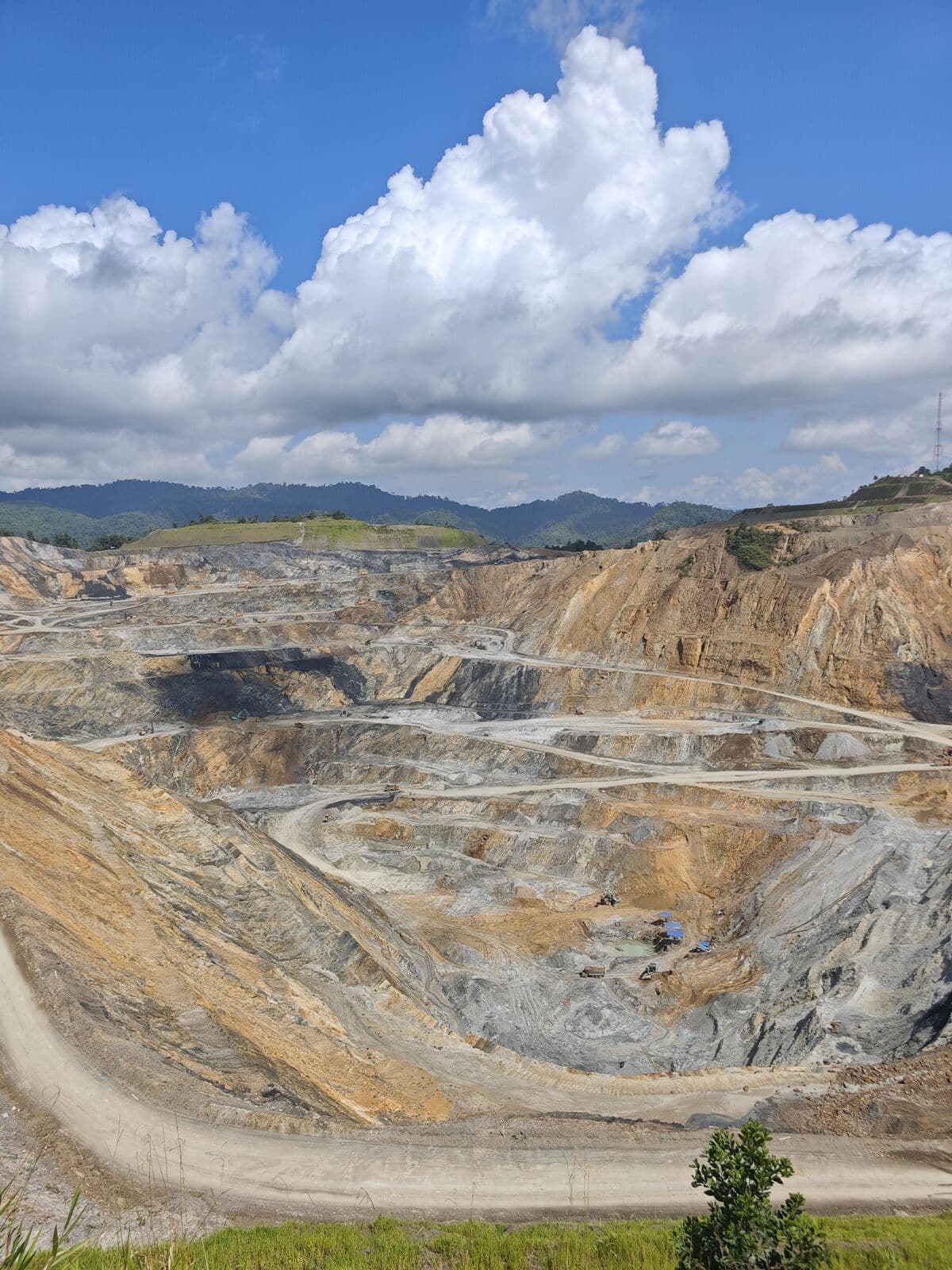
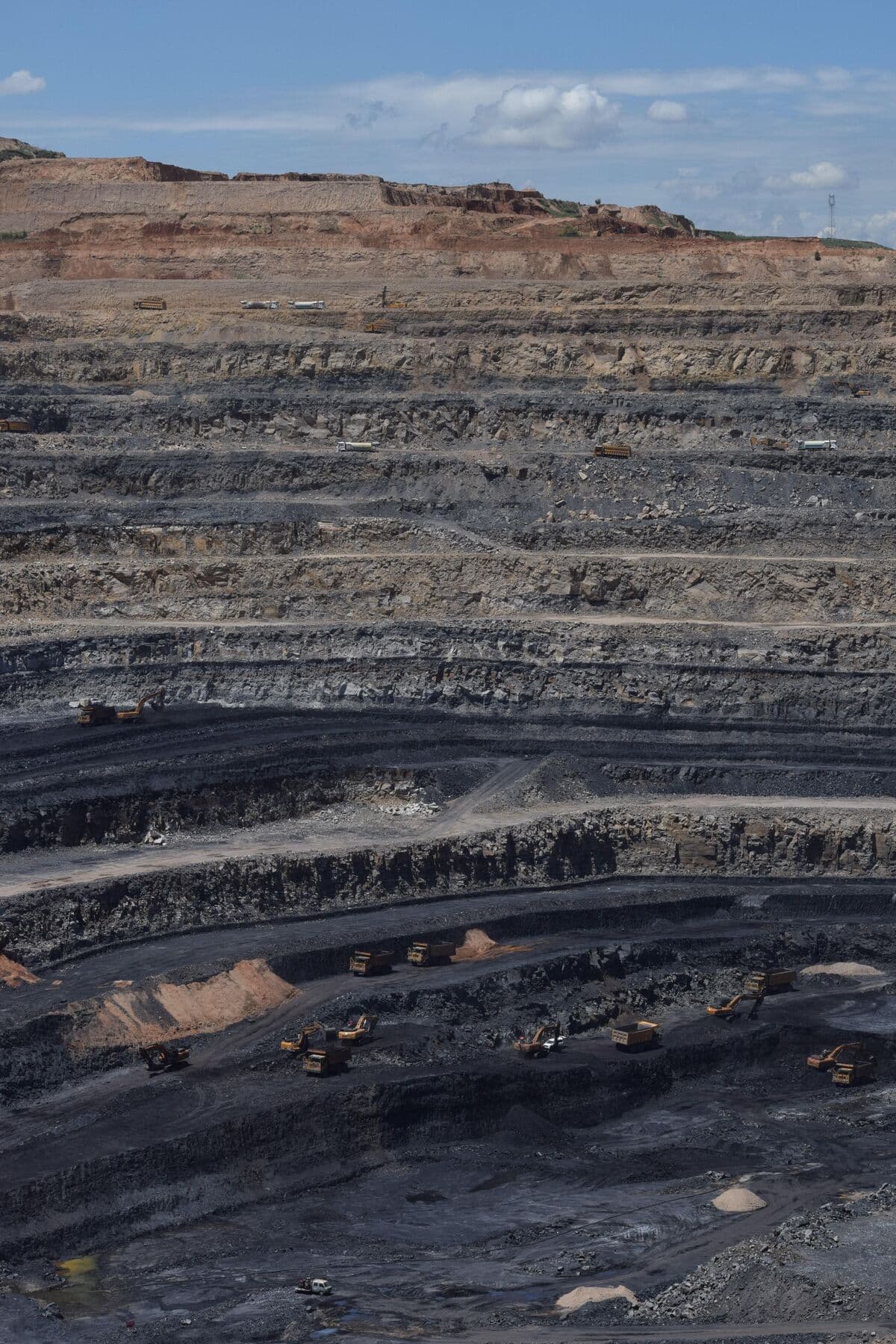
How mining operations use anionic PAM for tailings clarification, thickener optimization, and water recovery. Includes dosage and performance data.

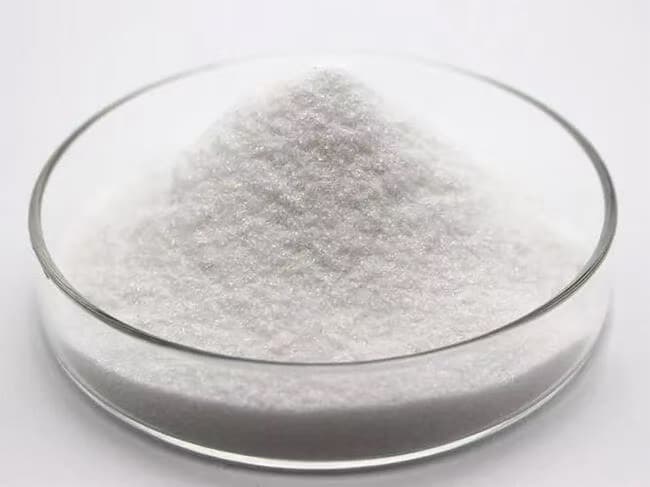
Complete guide to cationic PAM for sludge dewatering and wastewater treatment. Covers charge density selection, bulk pricing, and application methods.
How municipal WWTPs use PAM to reduce sludge moisture, cut disposal costs, and improve dewatering efficiency. Includes case studies and ROI analysis.

How to calculate PAM dosage for water treatment and jar testing methods. Covers municipal water, industrial wastewater, and compliance standards.

Current PAM pricing, factors affecting cost, and procurement strategies. Includes price comparisons with alternatives and budget calculations.

How PAM is used in drilling fluids, EOR, and fracking. Covers PHPA grades, friction reducers, and produced water treatment with real oilfield applications.

How to select the right PAM type for different water conditions. Covers APAM, CPAM, NPAM with jar testing methods and dosage calculations.

Decision framework for choosing between APAM and CPAM. Covers charge neutralization, particle types, pH effects, and application-specific recommendations.

How mining operations use PAM for tailings clarification, thickener optimization, and water recycling. Includes dosage by ore type and ROI analysis.

How to evaluate Chinese PAM manufacturers. Covers red flags, quality control systems, certifications, and what makes a reliable supplier.

How to select CPAM charge density for sludge dewatering. Covers equipment matching, dosage optimization, and real-world case studies.

How PAM improves paper machine performance as retention aid, drainage aid, and dry strength agent. Covers white water and anionic trash management.

Complete guide to PAM molecular weight ranges, how MW affects floc size and settling speed, and how to choose the right grade for your application.

How to treat textile mill wastewater with PAM across different pH ranges. Covers reactive dyes, acid dyes, pigment printing, and combined wastewater.

When and how to use nonionic PAM for acidic wastewater, soil stabilization, and extreme pH conditions. Covers acid mine drainage and textile dyeing.

How to calculate PAM dosage for water treatment and sludge dewatering. Includes jar testing procedure and factors affecting dosage.

How sugar mills use food-grade PAM for juice clarification and wastewater treatment. Covers NSF certification and dosage optimization.

Compare PAM powder and liquid emulsion forms. Covers cost analysis, dissolution time, handling, and when to use each form.

Proper PAM dissolution procedure to avoid polymer degradation. Covers equipment, common mistakes, and troubleshooting.

Factory guide to CPAM for paper machines: retention, drainage, strength, white water. Specs, dosage rates, mill case study from a Javan linerboard plant.

HPAM grades for polymer flooding: molecular weight, hydrolysis, salt and temperature limits, filterability. Dosage math and a Chinese sandstone field case.

Agricultural APAM for furrow irrigation, erosion control, sodic soils, and super-absorbent substrates. Dose rates, NSF safety, Spanish olive grove case.

How coal washing plants use APAM for slurry clarification and water recovery. Covers dosage by coal type, thickener optimization, and cost analysis.

How electroplating and metal finishing plants use PAM to remove heavy metals and suspended solids. Covers pH adjustment, dosage, and compliance standards.

How sand washing plants use APAM to recover water and reduce discharge. Covers dosage, equipment matching, and ROI calculations for sand plants.

NSF-certified PAM for drinking water and food processing. Covers safety standards, residual monomer limits, and approved applications.

How PAM binds soil particles to reduce erosion by 50-90%. Covers construction, irrigation, dust control, and seed coating applications.

Complete guide to PAM charge density. Covers how charge affects performance, selection by application, and how to verify specifications.

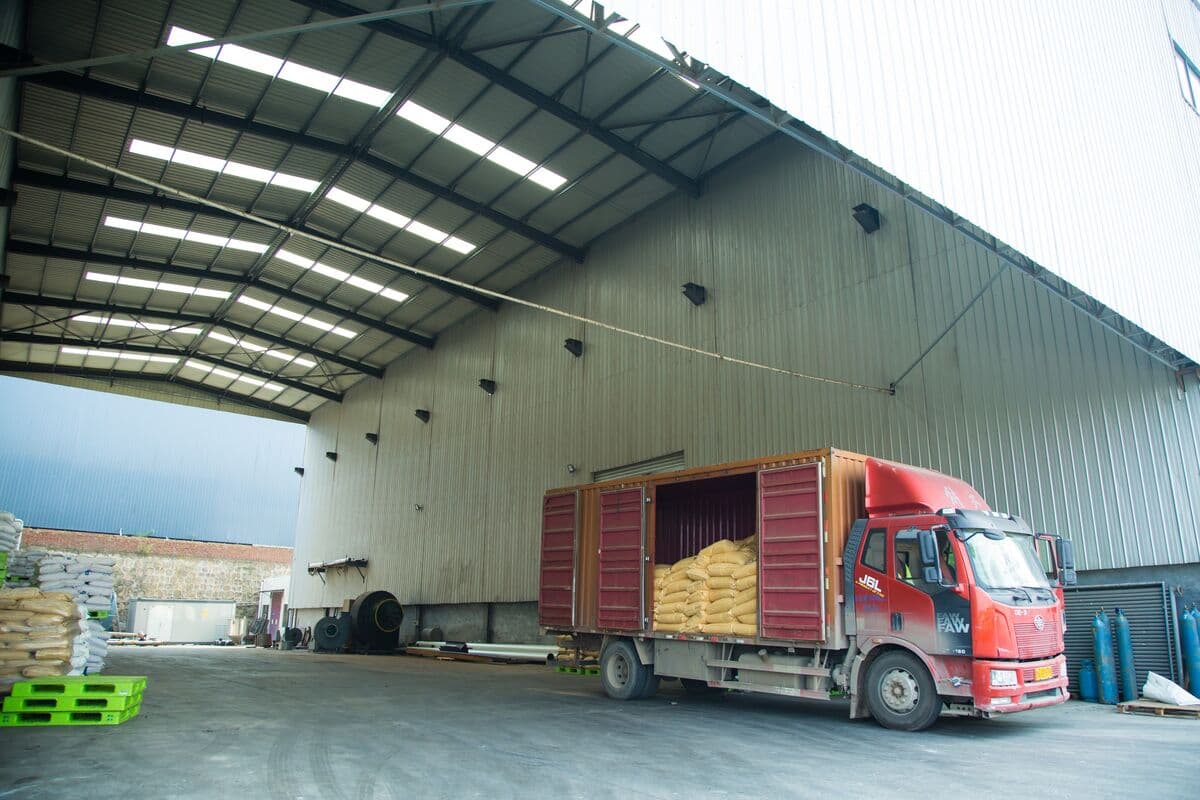
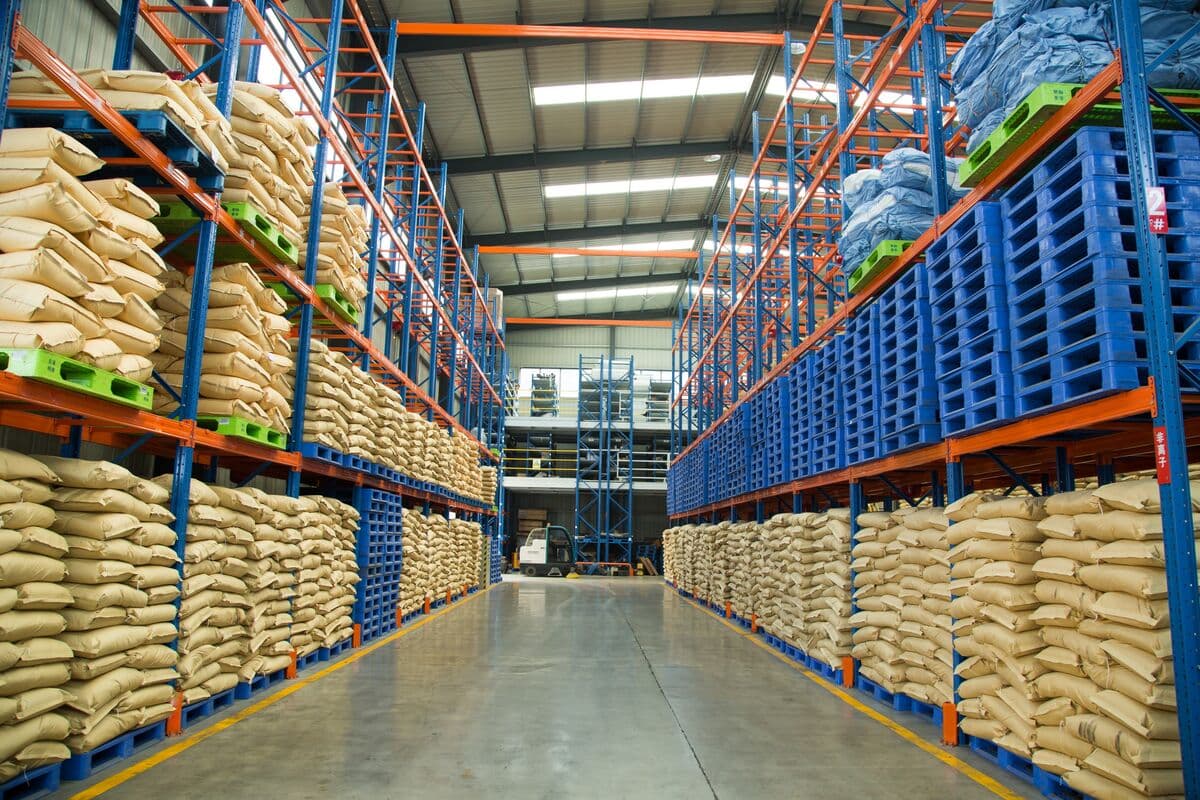
How to source PAM in bulk from China. Covers MOQ, Incoterms, shipping times, quality assurance, and current bulk pricing.

Source PAM from China to India. Covers import duties, shipping to JNPT/Chennai/Kolkata, popular grades for mining and municipal WWTP, and QA.

PAM supply to Indonesia for POME treatment, nickel mining, and coal washing. Covers heat-stable CPAM for palm oil mills and shipping logistics.

PAM supply to South Africa for gold/platinum tailings, coal washing, and municipal water. Covers AMD-resistant grades, NSF certification, and pricing.

PAM supply to Saudi Arabia, UAE, Kuwait, Qatar and Oman. Covers EOR-grade HPAM for high-temp high-salinity reservoirs and industrial wastewater.

PAM supply to Australian mining and water utilities. Covers Pilbara iron ore tailings, Queensland coal washing, NSF-certified grades, and pricing.

How cationic PAM treats POME wastewater in palm oil mills. Covers heat-stable grades for 60-80°C discharge, DAF optimization, and dosage.

PAM for ceramic manufacturing wastewater — clay settling, glaze wastewater, kiln cooling water. Covers dosage, water recycling, and ROI.

How PAM accelerates dredge sediment settling from 7-14 days to 2-4 hours. Covers harbor, river, and canal dredging with dosage and economics.

High-pH-stable CPAM for ready-mix concrete truck wash and recycling plant wastewater. Covers pH 11-13 treatment and water recycling economics.

NSF-certified CPAM for dairy plant wastewater — milk proteins, fats, and CIP effluent. Covers DAF optimization, dosage, and food safety certs.

High-MW APAM for iron ore tailings thickeners, paste thickening, and TSF management. Covers hematite, magnetite, and laterite applications.

High-MW APAM for phosphate tailings thickeners and acid mine drainage treatment. Covers sedimentary and igneous ore, dosage, and economics.

High-MW APAM for copper ore tailings thickeners, paste thickening for dry stacking, and AMD treatment. Covers porphyry and epithermal copper applications.

NSF-certified APAM for coagulation-flocculation in municipal water treatment. Covers water source characteristics, PAM selection, and case studies.

PAM is a polyelectrolyte, but not all polyelectrolytes are PAM. Covers comparison with chitosan, starch-based, PolyDADMAC, and alternatives.

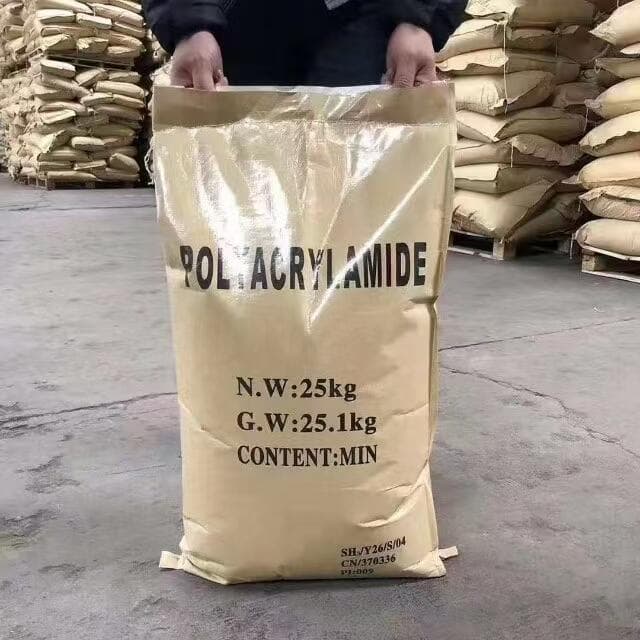
PAM shelf life is 24 months if stored correctly. Covers storage conditions (temperature, humidity, light), degradation signs, and quality testing.

PAM polymer is non-toxic; the concern is residual acrylamide monomer (≤0.05%). Covers exposure routes, SDS interpretation, and safe handling.

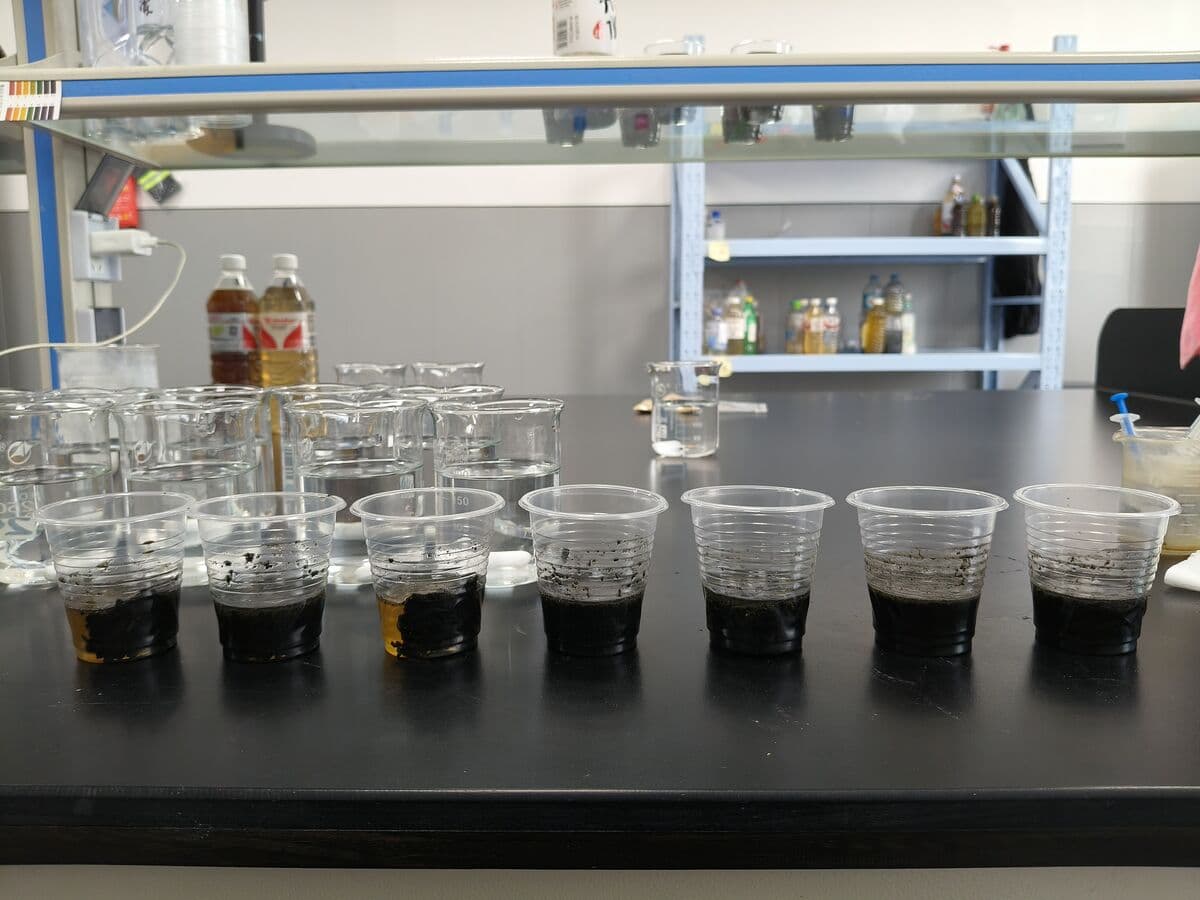
The jar test determines optimal PAM dosage in 10 minutes. Covers equipment, procedure, result interpretation, and how to avoid over-dosing.

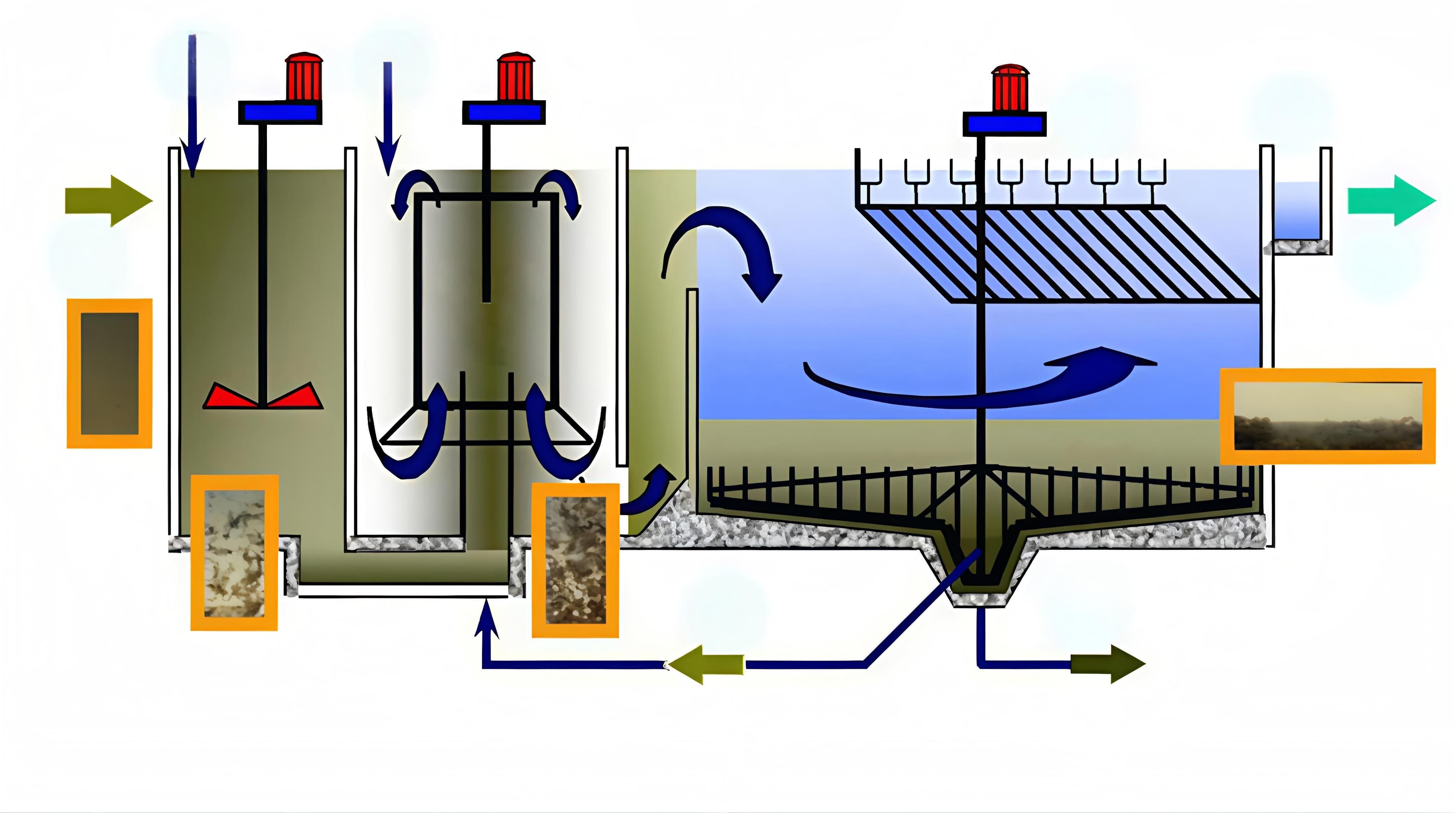
How municipal WWTPs use PAM across the full treatment train — primary clarification, settling, thickening, and dewatering. Dosage data and ROI analysis.

PAM-based water recycling in coal preparation plants. Covers PAM selection by coal type, dosage optimization, system design, and case studies.

How PHPA polyacrylamide works as drilling fluid additive — viscosifier, shale inhibitor, and fluid loss reducer. Includes grade selection and case studies.
Our engineers can help you select the right polyacrylamide for your application.