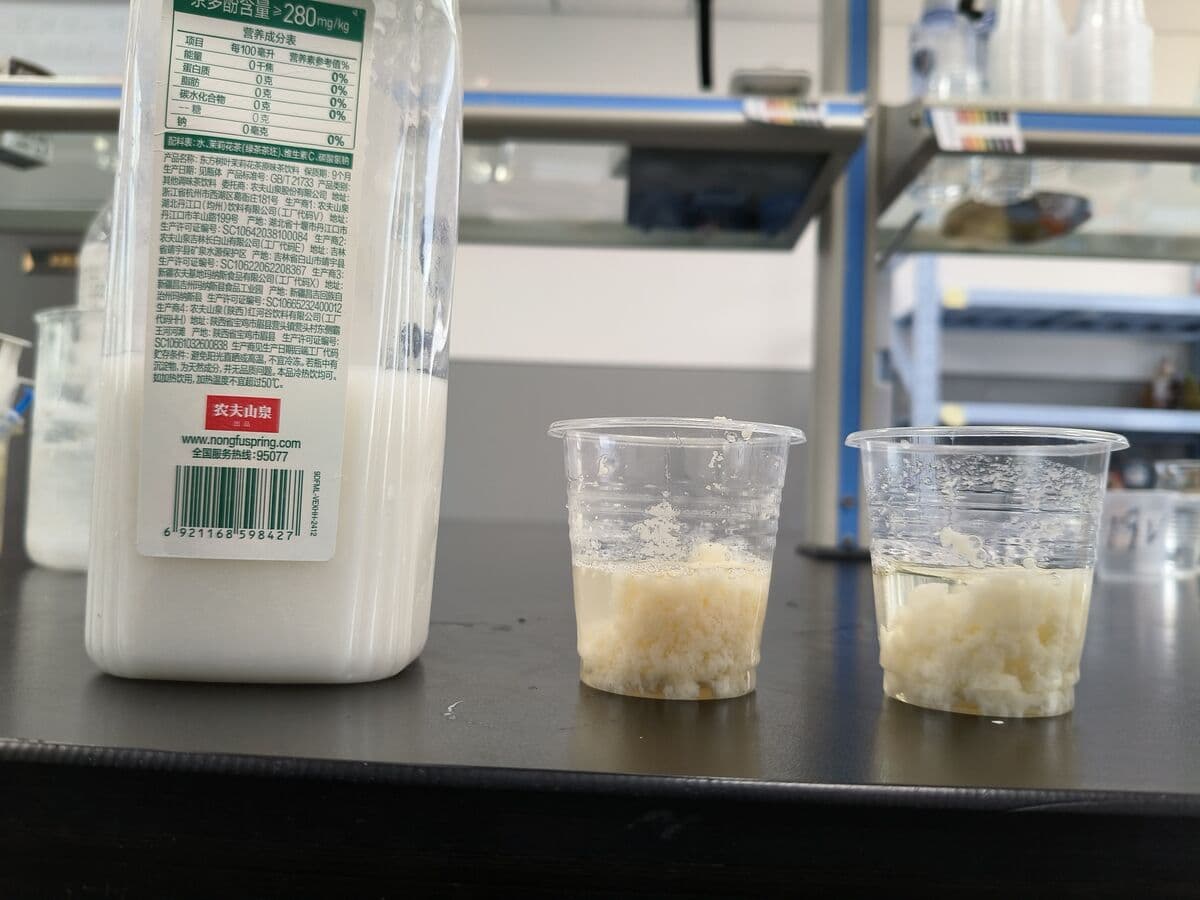
Cationic PAM at 1.5–4.0 mg/L reduces COD by 60–85% and TSS by 90–98% in food processing wastewater across slaughterhouse, beverage, starch, dairy, and olive oil operations — cutting sludge volume by 40–60% versus inorganic coagulants alone. Based on 120+ food industry wastewater samples tested in our lab between 2022 and 2026, this guide provides industry-specific PAM grade selection, dosage data, and system design for the five major food processing sectors.
Food processing generates some of the highest-strength industrial wastewater: BOD 2,000–8,000 mg/L, COD 3,000–15,000 mg/L, FOG 200–3,000 mg/L, and TSS 1,000–5,000 mg/L depending on the subsector. Unlike municipal wastewater with relatively stable composition, food processing effluent varies by shift, season, and product mix — demanding flexible polymer systems that handle wide concentration swings without operator intervention.
Free Jar Test for Your Food Processing Wastewater
Send us a 5L sample of your food processing effluent. We run a complete jar test series testing 4–6 CPAM grades at multiple dosages. Results include optimal grade, dose curve, and cost estimate. Trial MOQ from 500 kg. Check pricing and MOQ details.
Food Processing Wastewater Characteristics by Industry
Each food processing subsector produces wastewater with distinct characteristics that determine PAM type, charge density, and dosage. The table below summarizes influent quality from our testing database of 120+ samples collected from operating plants across Asia, Middle East, and Latin America.
| Industry | COD (mg/L) | BOD (mg/L) | TSS (mg/L) | FOG (mg/L) | pH | PAM Type | Dose (mg/L) |
|---|---|---|---|---|---|---|---|
| Slaughterhouse (cattle/pig) | 4,000–8,000 | 2,000–4,500 | 1,500–4,000 | 500–2,500 | 6.5–7.5 | CPAM 40–60% CD | 2.0–4.0 |
| Poultry processing | 2,500–6,000 | 1,200–3,000 | 800–2,500 | 300–1,500 | 6.8–7.8 | CPAM 30–50% CD | 1.5–3.5 |
| Beverage (soft drink/juice) | 1,500–5,000 | 800–2,800 | 300–1,200 | 50–300 | 4.5–7.0 | APAM 25–40% CD | 0.5–2.0 |
| Starch factory (corn/cassava/potato) | 5,000–15,000 | 3,000–8,000 | 2,000–5,000 | 50–200 | 4.0–6.0 | APAM 15–30% + PAC | 1.0–3.0 |
| Dairy (milk/cheese/yogurt) | 2,000–6,000 | 1,000–3,500 | 500–2,000 | 200–1,500 | 5.5–8.0 | CPAM 30–50% CD | 1.5–3.0 |
| Olive oil mill (alpechin) | 30,000–120,000 | 15,000–50,000 | 5,000–20,000 | 1,000–15,000 | 4.0–5.5 | CPAM 50–70% CD | 3.0–6.0 |
Slaughterhouse Wastewater: Blood, FOG & Protein Recovery
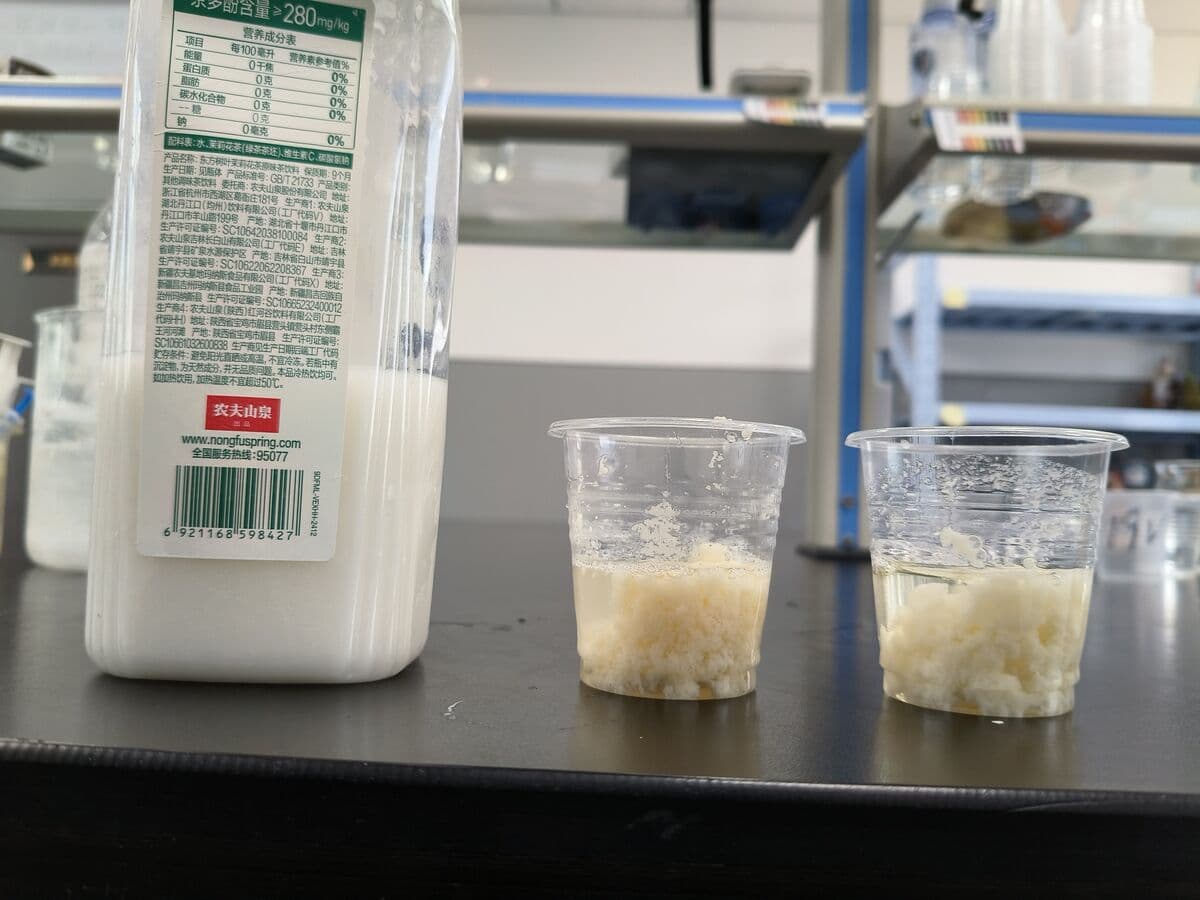
Slaughterhouse wastewater contains 4,000–8,000 mg/L COD with blood proteins (albumin, globulin), suspended fat globules, and colloidal particles carrying strong negative surface charge (zeta potential −25 to −40 mV). Cationic PAM with 40–60% charge density neutralizes this charge while bridging particles into dense, dewaterable flocs.
A typical cattle slaughterhouse processing 500 head/day generates 800–1,200 m³/day of wastewater. At CPAM dosage of 2.5 mg/L after 200 mg/L PAC coagulation, we routinely achieve: TSS reduction from 2,800 to <80 mg/L (97% removal), FOG from 1,200 to <30 mg/L (97.5% removal), and COD reduction of 65–75% in the physical-chemical stage alone.
The DAF system is the preferred primary treatment for slaughterhouse wastewater because dissolved fat and blood proteins have specific gravity near 1.0, making them ideal for flotation rather than sedimentation. PAM-assisted DAF achieves 95–98% FOG removal at 8–12 minute retention time — enabling protein recovery as a saleable byproduct (blood meal, feather meal) when separated before biological treatment.
Slaughterhouse PAM Dosing Protocol
Step 1: Coagulate with PAC (polyaluminium chloride) at 150–250 mg/L to destabilize colloidal fats and proteins. Step 2: Add CPAM (40–60% charge density, MW 10–12 million) at 2.0–4.0 mg/L after 30 seconds of rapid mixing. Step 3: Provide 3–5 minutes of slow flocculation (G-value 20–40 s⁻¹) before DAF entry. The dosage calculation guide covers the full optimization methodology.
Beverage Industry Wastewater: Low-FOG High-Sugar Effluent
Beverage plants (soft drinks, juices, breweries) produce 1,500–5,000 mg/L COD wastewater characterized by high dissolved sugars (BOD/COD ratio 0.6–0.8), low suspended solids (300–1,200 mg/L), and minimal FOG (<300 mg/L). This high biodegradability means physical-chemical treatment targets TSS and colloidal haze removal before biological treatment — not COD reduction.
Anionic PAM at 25–40% charge density works best for beverage wastewater because the suspended solids (fruit pulp fibers, yeast cells, diatomaceous earth filter aid) carry relatively low surface charge. At 0.5–2.0 mg/L after 100–150 mg/L PAC coagulation, APAM produces large, fast-settling flocs with supernatant turbidity <10 NTU — suitable for discharge to biological treatment or direct filtration for water reuse.
A 200,000 L/day juice plant in Vietnam reduced their PAM consumption by 45% after switching from cationic to anionic grade — because their wastewater pH averaged 5.2 (acidic fruit juices), and at low pH, anionic PAM bridging is more effective than charge neutralization by CPAM.
Starch Factory Effluent: Extreme COD & Starch Recovery
Starch factories (corn, cassava, potato, tapioca) generate the highest organic loads in the food sector: COD 5,000–15,000 mg/L with peaks reaching 25,000 mg/L during cassava processing season. The wastewater contains colloidal starch particles (0.5–50 µm), proteins, fibers, and cyanogenic compounds (cassava) — presenting unique flocculation challenges.
Anionic PAM at 15–30% charge density combined with PAC coagulation is the standard approach. The starch granules themselves have near-neutral surface charge, so pure charge neutralization (cationic) is less effective than bridging flocculation (anionic) at high molecular weight (15–18 million). Dosage: 1.0–3.0 mg/L APAM after 200–400 mg/L PAC.
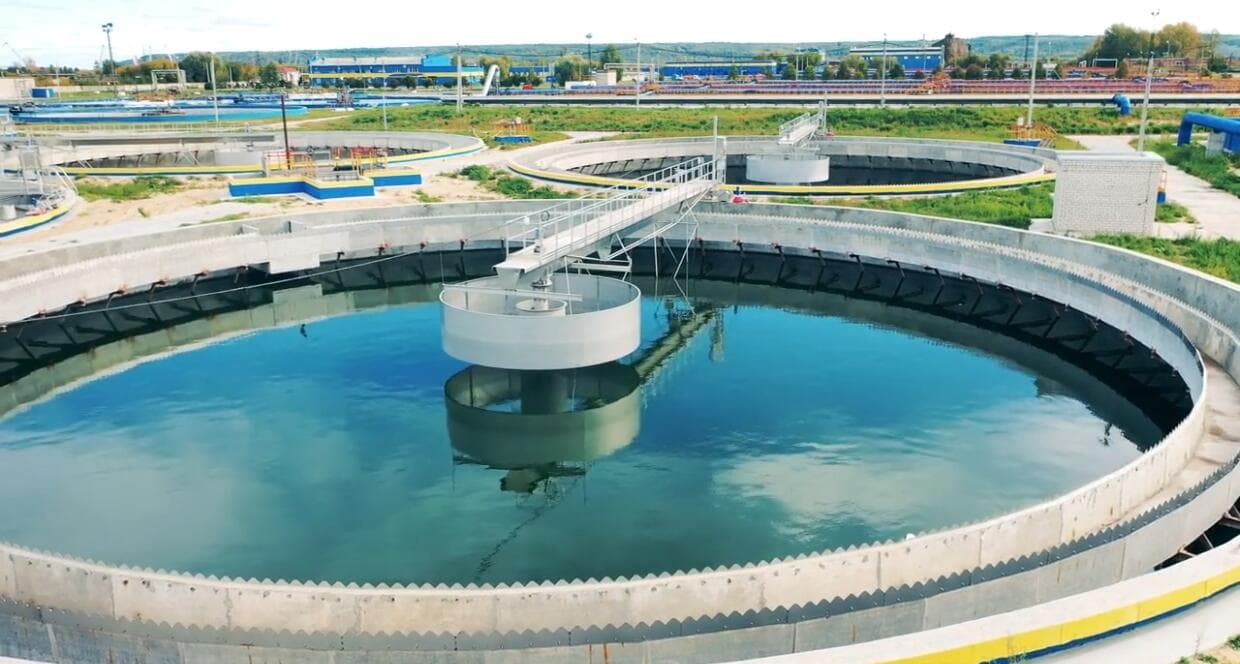
Starch recovery is a major cost-saving opportunity: proper PAM-assisted primary treatment recovers 80–90% of suspended starch from wastewater, which can be dried and sold as animal feed or industrial starch (adhesives, paper). A cassava starch plant processing 200 tons/day typically recovers 2–3 tons/day of starch from wastewater — worth $300–500/day — more than offsetting PAM chemical costs of $40–80/day.
Starch Recovery PAM System Design
Primary screening (1 mm vibrating screen) removes fiber → equalization tank buffers pH and concentration swings → PAC coagulation at pH 6.0–6.5 → APAM flocculation → inclined plate settler or DAF → recovered starch sludge to rotary drum dryer. The entire physical-chemical stage reduces COD by 60–70% and recovers 85% of suspended starch, reducing downstream biological treatment load by more than half.
Dairy Wastewater: Casein, Whey & Fat Separation
Dairy wastewater (milk processing, cheese making, yogurt production) contains 2,000–6,000 mg/L COD with emulsified milk fat, casein proteins, lactose, and cleaning chemical residues (NaOH, HNO₃). The pH swings from 5.5 during whey discharge to 11+ during CIP (clean-in-place) cycles — demanding pH equalization before PAM addition.
CPAM at 30–50% charge density works best after pH adjustment to 6.5–7.5 and PAC coagulation at 150–200 mg/L. The casein micelles (50–300 nm) carry strong negative charge at neutral pH, making cationic charge neutralization essential before bridging. Typical dairy CPAM dosage: 1.5–3.0 mg/L, achieving 85–92% TSS removal and 90–95% FOG removal.
Whey protein recovery is increasingly important: dairy wastewater contains 4–8 g/L whey protein worth $2–5/kg as animal feed or food ingredient. Proper DAF-based primary treatment with CPAM recovers 70–80% of whey protein in the float sludge — creating a revenue stream that offsets treatment costs.
Olive Oil Mill Wastewater (Alpechin): Extreme Strength Treatment
Olive oil mill wastewater (OMWW, or "alpechin" in Spanish) is among the most challenging food processing effluents: COD 30,000–120,000 mg/L, polyphenols 3,000–15,000 mg/L, and extremely dark color (true color >50,000 Pt-Co units). The polyphenols are toxic to biological treatment and inhibit flocculation at standard PAM dosages.
High charge density CPAM (50–70%) at 3.0–6.0 mg/L after aggressive coagulation (FeCl₃ at 500–1,500 mg/L or Al₂(SO₄)₃ at 800–2,000 mg/L) reduces COD by 40–60% and color by 60–80% in the physicochemical stage. Pre-treatment with lime (Ca(OH)₂) at pH 11–12 precipitates polyphenols and improves subsequent PAM flocculation. A three-phase decanter centrifuge before chemical treatment removes bulk oil, reducing the organic load entering the flocculation stage.
Olive oil production is highly seasonal (October–February in Mediterranean), generating 2.5–3.0 m³ wastewater per ton of olives processed. A medium olive mill (50 tons/day olives) produces 125–150 m³/day of wastewater during the 4-month season. Lagoon storage with sequential batch treatment using CPAM is the most cost-effective approach for seasonal operations.
PAM Dosage Optimization for Food Processing
Food processing wastewater composition varies by hour, shift, and season — making fixed-dose PAM systems inefficient and wasteful. The overdosing detection guide identifies 7 field signs that you are wasting polymer. For food processing specifically, these three strategies reduce PAM consumption by 30–50%:
- Flow-proportional dosing: Food plants have dramatic flow variation (peak during production, near-zero during weekends/shutdowns). Flow-paced PAM dosing with inline turbidity feedback eliminates overdosing during low-flow periods.
- Equalization before treatment: A 4–6 hour equalization tank dampens concentration spikes (blood flush in slaughterhouses, whey dump in dairies) that would otherwise require peak polymer dosing capacity.
- Dual-polymer systems: For high-strength wastewater (starch, olive oil), using PAC/FeCl₃ as primary coagulant followed by PAM as flocculant aid typically costs 20–30% less than PAM-only treatment while achieving equal or better performance.
| Industry | PAM Grade | MW (million) | Charge Density | Coagulant | PAM Cost ($/m³) |
|---|---|---|---|---|---|
| Slaughterhouse | CPAM | 10–12 | 40–60% | PAC 150–250 mg/L | $0.008–0.016 |
| Beverage | APAM | 12–15 | 25–40% | PAC 100–150 mg/L | $0.002–0.008 |
| Starch | APAM | 15–18 | 15–30% | PAC 200–400 mg/L | $0.004–0.012 |
| Dairy | CPAM | 10–12 | 30–50% | PAC 150–200 mg/L | $0.006–0.012 |
| Olive oil | CPAM | 10–14 | 50–70% | FeCl₃ 500–1,500 mg/L | $0.012–0.024 |
Food Processing Sludge Dewatering
Food processing primary sludge (DAF float or settled sludge) typically contains 2–5% solids with high organic content (VS/TS ratio 0.7–0.9). This sludge requires CPAM conditioning before mechanical dewatering on belt filter presses or screw presses. The conditioning demand is higher than municipal sludge: 6–12 kg CPAM per ton of dry solids (vs 4–6 kg/t DS for municipal WAS) due to the high organic content and small particle size.
For slaughterhouse DAF sludge: CPAM at 50–65% charge density, MW 12–15 million, dosed at 8–12 kg/t DS produces cake solids of 22–28% on belt press. For starch factory sludge: CPAM at 30–40% charge density works better because starch particles are larger and need less charge neutralization — achieving 20–25% cake solids. Dairy sludge performs best with CPAM 40–55% CD at 6–10 kg/t DS.
Complete Treatment System Design
A typical food processing wastewater treatment system follows this sequence: coarse screening (6 mm bar screen) → fat trap/grease interceptor → equalization (4–8 hours HRT) → pH adjustment → coagulation (PAC/FeCl₃) with rapid mix → PAM flocculation with slow mix → DAF or sedimentation → biological treatment (UASB/SBR/MBR) → final clarification → discharge or reuse.
PAM touches two points in this process: (1) primary physical-chemical treatment (flocculation before DAF/sedimentation) and (2) sludge conditioning before dewatering. Using the correct grade at each point is essential — read the complete PAM water treatment guide for the full selection framework.
Chemical Cost Analysis: Food Processing PAM Treatment
Total PAM cost for food processing wastewater treatment ranges from $0.002–0.024/m³ depending on industry and wastewater strength. This represents 5–15% of total chemical cost (coagulant accounts for 60–80%, pH adjustment 10–20%). Compared to inorganic coagulant-only treatment, adding PAM as flocculant aid reduces total chemical cost by 15–25% because it allows lower coagulant dosage while achieving better effluent quality.
For a 1,000 m³/day slaughterhouse: PAM cost = $8–16/day ($240–480/month). For a 500 m³/day starch plant: $2–6/day ($60–180/month). These costs are trivial compared to regulatory non-compliance penalties (typically $1,000–10,000/day) and biological system upset from inadequate pretreatment (repair cost $50,000–200,000).
Jar Test Protocol for Food Processing Wastewater
Food processing wastewater requires a modified jar test procedure because of its high variability. Key modifications: (1) collect composite samples over a full production shift (not grab samples), (2) test both peak and average concentration scenarios, (3) evaluate minimum 4 PAM grades spanning 20–70% charge density, (4) measure both supernatant clarity AND sludge volume index (SVI) — some grades produce clear water but generate 2× more sludge.
The dosage optimization guide provides the complete methodology for determining optimal dose-response curves for your specific wastewater.
Regulatory Standards & Discharge Limits
Food processing wastewater discharge must comply with local standards. Key references: EU Urban Wastewater Treatment Directive 91/271/EEC requires COD <125 mg/L and TSS <35 mg/L for discharge to receiving waters. US EPA 40 CFR Part 432 sets effluent limitations for meat products (BOD₅ <26 mg/L daily max, TSS <30 mg/L). China's GB 13457-1992 specifies discharge limits for slaughterhouse wastewater at COD <300 mg/L (Grade II). WHO Guidelines for Safe Use of Wastewater in Agriculture (2006) provide irrigation reuse criteria. The AWWA B453 standard governs polyacrylamide quality for water treatment applications, limiting residual acrylamide monomer to <0.05% by weight.
Recommended PAM Products for Food Processing
Based on our 120+ food processing wastewater tests, these products deliver optimal performance:
- CPAM High Charge Density (50–70% CD) — best for slaughterhouse, olive oil, and high-FOG dairy wastewater
- CPAM Medium Charge (30–50% CD) — optimal for poultry processing and low-FOG dairy
- APAM High Molecular Weight (15–18M) — best for starch factory wastewater and beverage effluent
Get Expert Help for Your Food Processing Wastewater
Free Jar Test for Food Processing Wastewater
Send us a 5L sample of your food processing effluent. We test 4–6 PAM grades at multiple dosages and provide a complete report with optimal grade, dose curve, and chemical cost projection.
- ✓ Trial order MOQ: 500 kg
- ✓ Free jar test with photo/video report
- ✓ Technical support for system optimization
- ✓ Food processing grades in stock — ships in 7–10 days