Most polyacrylamide RFQs fail before the supplier reads them. They ask for a model name and a price, which is the same as asking a pharmacist for “medicine, cheapest.” The supplier cannot quote accurately, the buyer cannot compare quotes fairly, and both sides waste weeks on back-and-forth that a well-structured specification would eliminate. This guide gives you the complete input set, the document requirements, the commercial fields, a copyable one-page RFQ brief, and a normalization table you can use to compare quotes that are technically non-identical on their face.
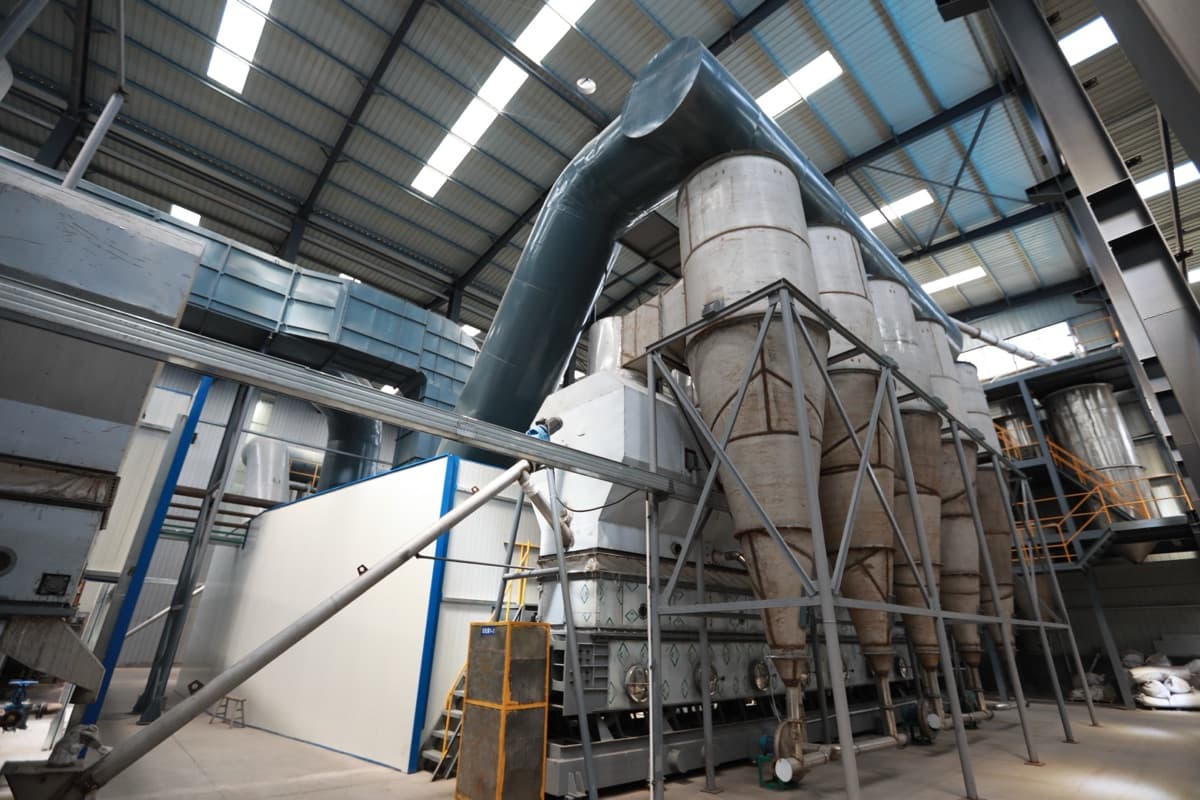
A complete specification gives the supplier enough information to quote a specific grade for your specific process — not a generic offer that requires three rounds of clarification.
Why most PAM RFQs fail to produce comparable quotes
Polyacrylamide is sold by grade, and grades differ by four parameters that independently affect performance: ionic type (anionic, cationic, nonionic), molecular weight, charge density, and product form (dry powder or emulsion). A 500 g/t dose of a medium-molecular-weight anionic powder and the same dose of a high-MW anionic powder are not the same trial. They dissolve differently, produce different floc structures and cost different amounts per tonne of dry polymer. An RFQ that does not specify these parameters will attract quotes for different products, and the apparent cheapest quote will often be the least appropriate product.
ISO guidance on external-provider controls expects purchase requirements to be correct before they are communicated and to include any applicable statutory or regulatory requirements. The standard also expects the degree of supplier control — and therefore the depth of the specification you send — to reflect the risk associated with the purchased product or service. For polyacrylamide, risk varies considerably: a polymer used for fines retention in a papermaking process carries different regulatory and performance stakes than one dosed into a drinking-water treatment works. Both need an accurate specification, but the drinking-water duty additionally needs regulatory document requirements stated explicitly in the RFQ.
A complete RFQ for polyacrylamide separates four input categories: application and process baseline, product and document requirements, acceptance tests and criteria, and commercial and logistics fields. The rest of this guide walks through each in turn, then assembles them into the copyable brief at the end.
1. Application and process baseline
The application is not the industry. “Water treatment” is not an application; “belt filter press dewatering of anaerobic sludge from a municipal WwTW, feed at 2–4% TS” is an application. The difference determines which ionic type, which charge density range and which molecular weight range the supplier should quote. Without this, a technically experienced supplier has to guess, and their guess may differ from yours.
State the following for every RFQ:
- Process unit. Belt press, centrifuge, thickener, clarifier, dissolved-air flotation, flotation column, jar test for product selection. Each unit interacts with polymer differently.
- Feed material. What is being treated: municipal activated sludge, digested sludge, mining tailings slurry, paper-mill effluent, fracturing flowback. Include the source, not just the name.
- Feed characterisation. For water treatment: suspended solids content (%), pH, conductivity or ionic strength if known, presence of oil or surfactant. For mining: solids density, ore type, slurry specific gravity. For papermaking: fibre type, consistency, retention aid system and wet-end chemistry. These numbers let the supplier assess whether a high-charge product or a lower-charge higher-MW product is more likely to be appropriate.
- Flow or throughput. Cubic metres per hour for water treatment; tonnes per hour dry solids for sludge; tonnes per hour slurry for mining. This determines whether the dosing equipment can handle the required polymer concentration and feed rate.
- Current operating point. Dose of incumbent product in grams per tonne or milligrams per litre, current result against the target parameter (cake DS%, effluent TSS, overflow clarity), and any known operating constraint. An operating baseline is the single most useful input for an experienced polymer supplier: it tells them whether the application is running near the optimum, far from it, or fighting a process variable.
2. Incumbent product and full model suffix
If a polymer is already running in the application, state it completely. The model name alone is frequently ambiguous: most major brands use letter and number suffixes that encode molecular weight, charge density, form and sometimes regional variant. A name without its full suffix forces the supplier to screen a wider range of grades than necessary, and a wrong assumption about the suffix can produce a technically misaligned offer.
Include:
- Full product name including all suffixes. Not “Zetag 8185” but “Zetag 8185 PWG” if that is what you have. If you do not know the full suffix, include a photograph of the bag or drum label, or the COA header.
- Product form of the incumbent. Powder, emulsion, or solution. A supplier who knows the incumbent’s form can identify which part of their range to start with.
- Dose of the incumbent in the current process. Active polymer dose (g/t or mg/L) and make-up concentration. If your system is set up for emulsion polymer, a switch to dry powder requires new dissolution equipment; the supplier needs to know that before quoting.
- Performance of the incumbent against your target. Is it meeting spec comfortably, marginally, or failing? If it is failing, is the failure dose-limited (you cannot add more), time-limited (floc breaks up under shear), or property-limited (the floc structure is wrong for your dewatering geometry)?
If there is no incumbent — a new process, a new line, or a first-time dosing installation — state that explicitly. A “no incumbent” RFQ is a product selection exercise, and suppliers will typically ask for a jar test or on-site trial as the qualification route. The jar test procedure guide describes how to run one that produces results transferable to a plant scale.
3. Target performance and acceptance metric
A performance target is not “better than what we have now.” It is a specific, measurable outcome against a test you will run in a defined way. Without an acceptance metric, the supplier cannot design a sample programme, you cannot compare results from two suppliers, and you have no basis for a technical dispute if a commercial shipment underperforms.
For each application type, the standard acceptance metrics are:
- Sludge dewatering. Cake dry solids percentage at a stated belt speed, feed rate and dose. Sometimes also filtrate turbidity NTU. State both the minimum acceptable value and the target value your process can use.
- Thickening and settling. Overflow turbidity NTU or TSS mg/L, underflow density percentage, and settling rate at the stated feed rate and dose.
- Drinking water. Turbidity NTU post-treatment, any regulated limits on residual monomer and the relevant national standard (e.g., GB 5749, EN 15039, NSF/ANSI 60).
- Mining. Overflow turbidity NTU at the stated feed rate, and whether a clear overflow or a dense underflow is the constraining target.
- Oil field. Drag reduction percentage at a stated flow velocity and pipe diameter, or fracturing fluid viscosity cP at a stated temperature and shear rate.
Specify both the test protocol you will use to measure the outcome (jar test, pilot plant, plant trial) and the scale at which you intend to run the initial comparison. Results do not always transfer between scales: a jar test at 300 mL that shows 28% cake DS may produce 24% or 32% on a belt press, depending on how well the jar test replicates the shear conditions of your specific machine. State the scale, and if the target is a plant trial, state the minimum quantity you need for the trial and the expected trial duration.
4. Water and feed characterisation
Polyacrylamide dose and performance respond to the ionic environment of the feed. For water-based applications, the most significant variables are:
- pH at point of dosing. Anionic PAM performs best in a pH range of roughly 6–9; outside this range charge density and floc stability change. Cationic grades are more tolerant but still have an optimal range. State the typical operating pH and its normal variation.
- Conductivity or specific ionic content. High-salinity feeds (above roughly 2 mS/cm) compress the polymer coil and reduce effective molecular weight. Sea water applications require specific grades; state conductivity rather than assuming the supplier will ask.
- Suspended solids: type and concentration. Fine clay minerals, cellulosic fibres, calcium carbonate and mineral precipitates each interact differently with a polyelectrolyte. State the main suspended solid type if known, and the TSS or solids concentration as a range.
- Temperature. Operating temperature range at the point of dosing. Higher temperatures reduce apparent viscosity and may require a dose adjustment.
- Presence of oils, surfactants, or other polymers. These interfere with flocculation and are often the root cause of poor polymer performance on trials that the supplier could not have predicted from the basic application description.
For mineral processing applications, add ore hardness, clay content, and whether the slurry passes through a cyclone or thickener feed well before the polymer contact point. For oilfield applications, state water cut, TDS in mg/L, temperature and pressure at point of injection. If any of these parameters are unknown, say so; a supplier who sees “not measured” will flag it as a risk factor rather than assume a standard condition.
5. COA, TDS, SDS and compliance documents
State your document requirements explicitly in the RFQ, not after the quotation is received. A supplier who does not know that you require a drinking-water approval may quote a grade that does not carry one, producing a quotation you cannot accept without re-opening the selection process.
For every order, the minimum document set is:
- Certificate of analysis (COA) for each delivered lot, with lot number, tested parameters, test conditions, test values, specification limits and a release statement. The COA is the commitment that the material meets the agreed specification; it is not a marketing document and it should not carry only typical values.
- Technical data sheet (TDS) for the specific grade, not the family. The TDS should state the product form, ionic type, molecular weight range, charge density, recommended dissolution method, and storage and handling guidance. If a grade does not have a published TDS, ask the supplier to issue a product specification sheet that serves the same purpose.
- Safety data sheet (SDS) compliant with the regulatory regime of your country (GHS globally; regional variants such as REACH SDS for EU or HCS SDS for US). Confirm the SDS covers the specific form you are receiving: an SDS for dry powder is not interchangeable with one for emulsion because the inhalation and skin-contact hazards differ.
For regulated applications, additionally specify:
- Drinking-water hygiene or potable-water approval if the polymer contacts drinking water or potable-water treatment. Name the standard or national approval you require (e.g., WRAS, NSF/ANSI 60, GB drinking-water hygiene safety approval), and confirm the grade and issuing authority must appear on the approval. An approval for a different grade at the same site does not cover your product.
- Residual acrylamide monomer test report for each lot if required by your permit or risk assessment. Confirm whether periodic testing is acceptable or whether you need per-lot monomer data.
- Certificate of origin for customs and preferential tariff purposes. State the country of origin you require on the certificate, since it may affect import duty rates.
ChinaPAM’s standard document set on delivery includes the lot COA, SDS and packing list. Certificate of origin, management-system certificates, product approvals and residual monomer test data are available on request. All certificates with issuer references and validity dates are published on the certifications page. When you submit an RFQ through the quotation form, include the full list of documents you require so the quotation covers the compliance pack as well as the product.
6. Packaging, MOQ, delivery window and Incoterm
Incoterms allocate cost, risk and obligation between buyer and seller but they do not replace the sales contract, and an Incoterm stated without a named place is not a complete commercial instruction. The guidance published by the International Chamber of Commerce makes clear that the named place is an essential element of the Incoterm: “FCA” is incomplete; “FCA Zhengzhou, China” is not. Beyond the Incoterm itself, the following fields must be in every RFQ to produce a comparable quotation:
- Incoterm and named place. For containerized export, FCA at the seller’s named location, FOB at a named load port, or CIF/CFR to a named destination are common. The buyer’s choice determines who arranges freight, who pays insurance, and where risk transfers. State your preference, not a default.
- Destination port or address. Required for CIF/CFR quotes; useful even for FOB/FCA quotes so the supplier can estimate freight if asked. Include the port name, not just the country.
- Packaging. 25 kg bags, 500 kg bulk bags, 1000 L IBC (emulsion), 200 kg drums (emulsion). State the format you can receive and store. A packaging change from what you state in the RFQ should require a new quotation because it affects freight cost, handling equipment, and sometimes dose stability on storage.
- Order quantity and MOQ. State the quantity you are quoting for, not a range. A quantity range of “5–20 tonnes” may straddle a price break and a packaging format change. If you intend to place a trial order followed by a commercial order, state both quantities and ask for prices for each.
- Required delivery window. Specific dates or a date range, not “as soon as possible.” A supplier who cannot commit to your window is not a viable quotation, and it is faster to find that out before you issue a PO than after.
- Quotation validity requested. State the number of days needed for review and internal approval. The supplier must confirm a realistic validity period for the exact inquiry, and the quotation should show its expiry date.
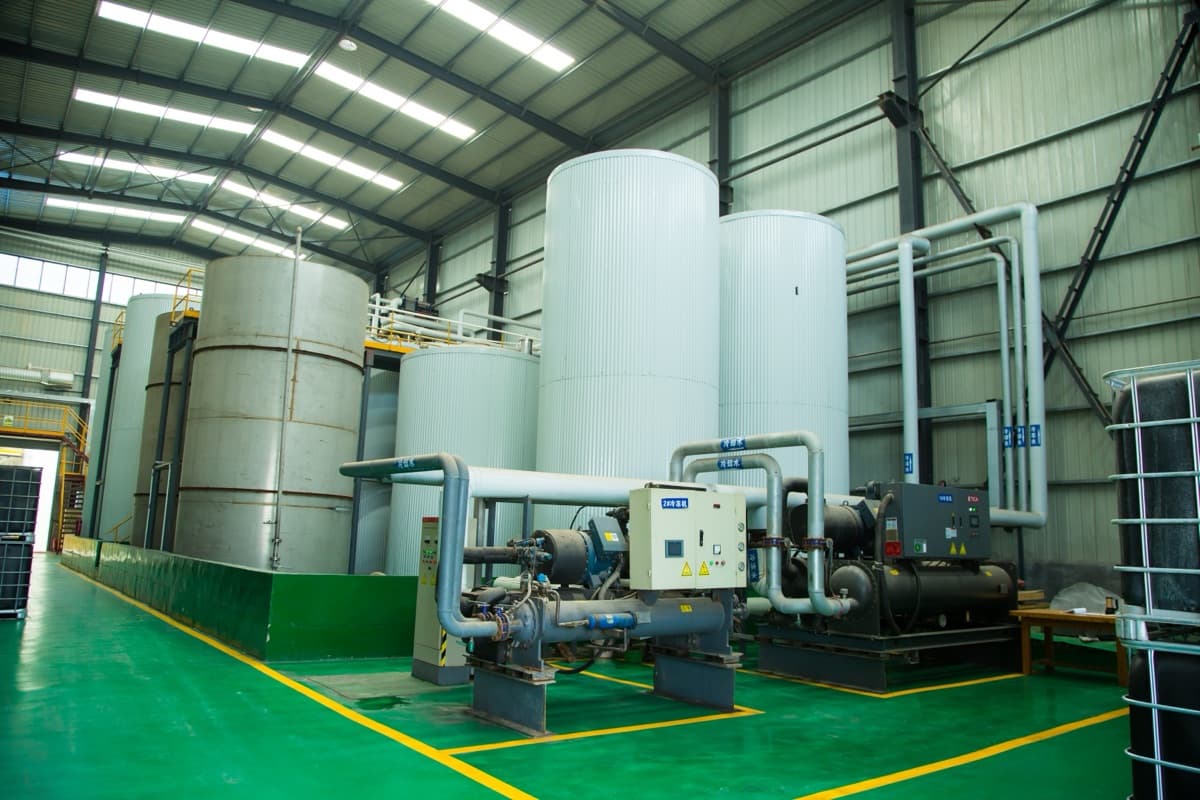
Knowing the product form — dry powder or emulsion — and the manufacturing scope behind it is part of specifying the right product for your process and your logistics.
7. Copyable one-page RFQ brief
Copy the template below, fill in every line, and attach the incumbent TDS or COA if you have one. Leave a field blank only if it genuinely does not apply to your application, and add a note explaining why. A blank field without explanation is a question the supplier will ask you before they can quote.
| Field | Your input | Notes |
|---|---|---|
| Process unit | e.g. belt filter press | Include make/model if known |
| Feed material | e.g. municipal activated sludge | Include origin and any known variability |
| Feed solids / TSS | e.g. 2–4 % TS | Typical and range |
| Feed pH | e.g. 7.2–7.8 | At point of polymer dosing |
| Feed conductivity | e.g. 1.8 mS/cm | Or note if unknown |
| Flow / throughput | e.g. 40 m³/h or 12 t/h DS | Design and operating |
| Incumbent product (full name) | e.g. Zetag 8185 PWG or “none” | Include all suffixes; attach COA if available |
| Incumbent dose | e.g. 8 kg/t DS active polymer | Active polymer, not solution |
| Current result | e.g. cake 22 % DS | Against the performance parameter you measure |
| Target result | e.g. ≥ 24 % DS | Minimum acceptable and desired |
| Acceptance test | e.g. jar test at your site; plant trial | State scale and duration |
| Sample quantity for trial | e.g. 25 kg | Minimum for your trial protocol |
| Required documents | COA / TDS / SDS / COO / drinking-water approval | List every document; note regulatory basis |
| Packaging | e.g. 25 kg bags | State your storage and handling equipment |
| Order quantity | e.g. 5 t trial + 20 t initial commercial | State trial and commercial separately |
| Incoterm and named place | e.g. FOB Qingdao or CIF Port Klang | Named place is required, not optional |
| Required delivery window | e.g. 2026-11-15 to 2026-11-30 | Specific dates, not “ASAP” |
| Quotation validity required | e.g. 30 days | Realistic for your review and approval process |
8. Failure-mode diagnostics for incomplete RFQs
Two failure modes generate the majority of wasted rounds in polyacrylamide sourcing. Knowing the trigger, symptom and correct fix for each saves weeks.
| Failure mode | Trigger | Symptom | Correct fix |
|---|---|---|---|
| RFQ asks only for model name and price | No feed, equipment, dose, target, acceptance test or incumbent data supplied | Quotes arrive for different grades at different basis weights; comparison is impossible without re-opening the specification | Require application, operating baseline, acceptance metric and sample or trial plan in the RFQ brief; normalise quotes on the table in section 9 |
| Commercial terms are ambiguous | Incoterm named without a place, destination or specification of included documents; order quantity given as a range | Freight, risk and customs assumptions differ between quotes; a single delivery clause creates liability the buyer did not intend | State named place, exact destination, packaging, exact order quantity, required documents and quotation validity in every RFQ |
9. Quote-comparison normalisation table
When two quotes arrive for products that are not identical — different form, different charge density, different packaging — comparing prices per kilogram is meaningless. A price comparison that corrects for dose rate and active polymer content is:
Effective polymer cost per tonne treated = unit price (per kg delivered product) × trial active dose (kg active polymer per tonne treated) ÷ supplier-declared active fraction
The active fraction must come from the exact grade’s applicable technical data sheet, certificate of analysis, or the quotation itself — not from a generic range. Unit price, freight and taxes must be on the same basis before the formula is applied: if one quote is FOB and another is CIF, normalise both to the same delivery point before comparing. Mismatched units or undisclosed freight will produce a comparison that is arithmetically consistent but commercially wrong.
Use the normalisation table below. Fill in the cells for each quote; the effective cost row converts all quotes to the same comparable basis. The effective cost calculation requires a trial result for each product at the stated dose; if you are comparing without a trial, substitute your best estimate of the likely dose from the product specification and your current operating point and note that it is an estimate.
| Parameter | Quote A | Quote B | Quote C |
|---|---|---|---|
| Supplier and grade | |||
| Product form | |||
| Ionic type and charge density | |||
| MW range (million Da) | |||
| Unit price (USD/kg) | |||
| Active polymer content (%) | |||
| Trial dose (kg active / t treated) | |||
| Trial result vs target | |||
| Incoterm and named place | |||
| Document set complete? | |||
| Effective cost (USD / t treated) | = price ÷ active × dose | = price ÷ active × dose | = price ÷ active × dose |
Only compare quotes where the trial result column shows each product meeting the target. A cheaper product that does not meet the acceptance criterion is not a comparable quote.
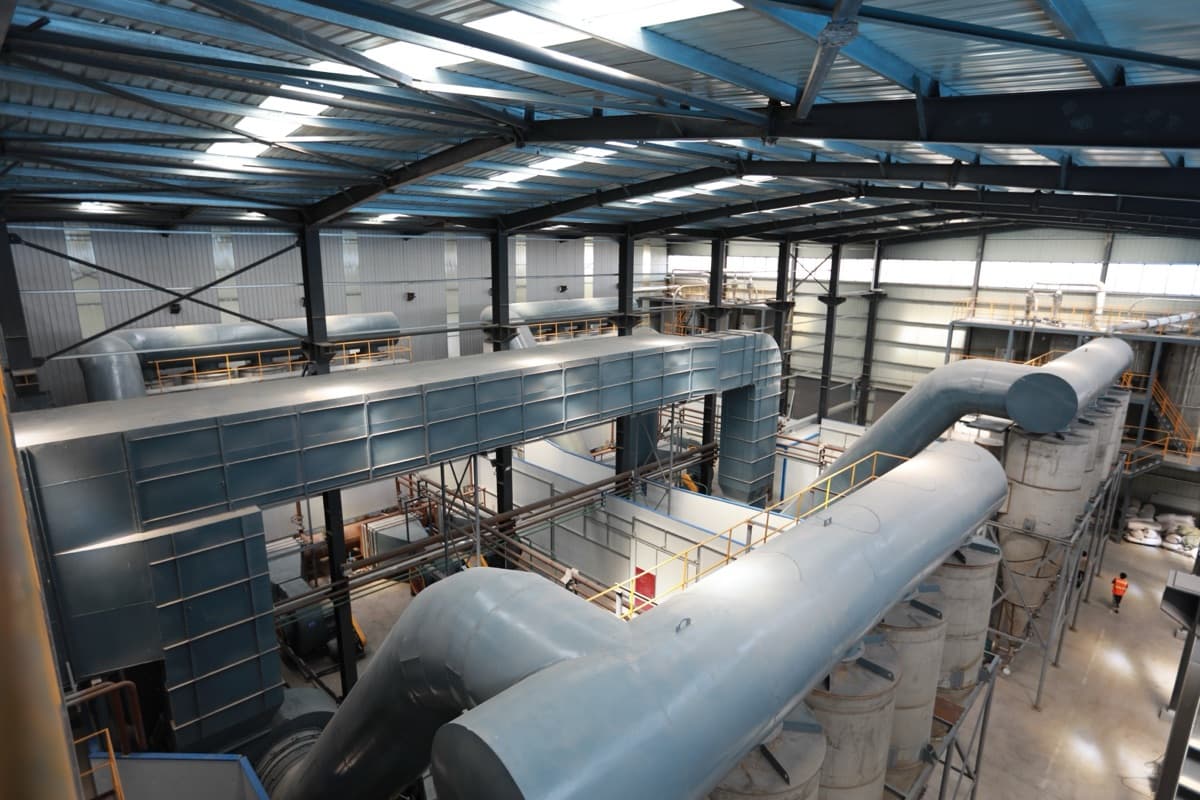
Connecting technical specification to production and delivery planning requires the supplier to know your application, your document requirements and your commercial terms before they quote.
10. Submitting to ChinaPAM
Use the copyable brief in section 7, attach the incumbent TDS or COA if you have one, and submit through the quotation form. Include your full document list so the quote covers the compliance pack. For background on our product range, supply chain and MOQ, the supplier profile page covers export terms, packaging formats, and the company detail behind the ChinaPAM brand. The polyacrylamide product page sets out the ionic families, form types and grade bands we make in-house.
Once we receive a complete specification, we will return a quotation for the grade range most likely to work for your process, with a proposed sample route, the document set that covers your requirements, and a named delivery commitment for the order quantity you stated. If the specification is incomplete — a missing acceptance metric, an undeclared regulated requirement, or a delivery window that conflicts with current production schedule — we will identify the gap in a single email rather than accepting a quotation we cannot deliver on.
Get a grade recommendation and trial plan
Tell us the duty, the water or sludge characteristics, downstream equipment, required quantity and destination. We will recommend a candidate and confirm sample options, available documents, lead time and quotation for that order.
Quotation based on grade, quantity and destination · info@chinapolyacrylamide.com · WhatsApp +86 187-3759-0940
Frequently asked questions
What if I do not know which polyacrylamide grade I need?
State the application and process baseline as completely as you can and note explicitly that you need grade selection as part of the quotation. An experienced supplier can propose an initial grade range from a well-described process, followed by a structured sample and trial route. What they cannot do accurately is propose a grade from “water treatment” alone.
Do I need to run a jar test before I send the RFQ?
Not necessarily, but it significantly improves the quality of the quotation you receive. A jar test result on your own feed gives the supplier a performance baseline they can design against. If you are at the “initial inquiry” stage, send the RFQ brief with your process baseline and request a sample and trial protocol as part of the response. The jar test procedure guide covers how to run one that produces transferable results.
Should I request samples from multiple suppliers simultaneously?
Yes. Running two or three parallel trials is good procurement practice: it gives you a performance comparison under identical conditions, a price comparison on a comparable basis, and a backup qualification if one supplier cannot meet your delivery window. Send each supplier the same specification brief so the trial conditions are comparable.
What Incoterm should I use for a first order from China?
Specify an Incoterms 2020 rule and a named place. Decide the rule with your freight forwarder or importer according to the required cost, risk and responsibility split. ICC guidance notes that FCA may be relevant for containerized multimodal shipments, but there is no universal best term. ChinaPAM quotes only terms and named places confirmed for the specific order; use the quotation form to give us the destination and preferred responsibility split.
Sources
- ISO 9001 Auditing Practices Group — Guidance on External Providers (ISO/TC 176 APG). PDF. Supports: purchase requirements should be correct before communication; applicable statutory and regulatory requirements should be included; risk-based depth of supplier control. Limits: auditing guidance for ISO 9001 procurement controls; does not prescribe PAM performance or regulatory approval requirements for any specific application.
- International Chamber of Commerce — Incoterms 2020 checklist (ICC, 2024 update). PDF. Supports: Incoterms allocate cost, risk and obligations but do not replace the sales contract; named place is an essential element; FCA is relevant for containerized multimodal shipments. Limits: use for shipping-input design only; no live freight price or universal term recommendation.