Brand Equivalent Polyacrylamide Grades
ChinaPAM supplies alternative polyacrylamide routes for documented FLOPAM, Zetag, Superfloc, Magnafloc, Praestol and NALCO grade inquiries. Open a brand-grade supply page for the documented starting route, or send the grade name, a bag-label photo or your purchasing requirement for a price and supply review. Process details can follow when available.
Two things worth stating plainly. First, none of the documented comparisons are licensed or reverse-engineered copies — they are independently manufactured grades, and we say which published descriptor each one is positioned against. Second, molecular weight and charge density are published as descriptors rather than exact figures by every major supplier, ours included, because both vary within a production window. So a like-for-like table tells you where to start, not what your optimal dose will be. That comes from a jar test on your actual water or sludge. Contact us to discuss trial arrangements.
Brand Grade Supply Pages
Each page carries a parameter-level comparison table, specifications and FAQs for one brand grade.
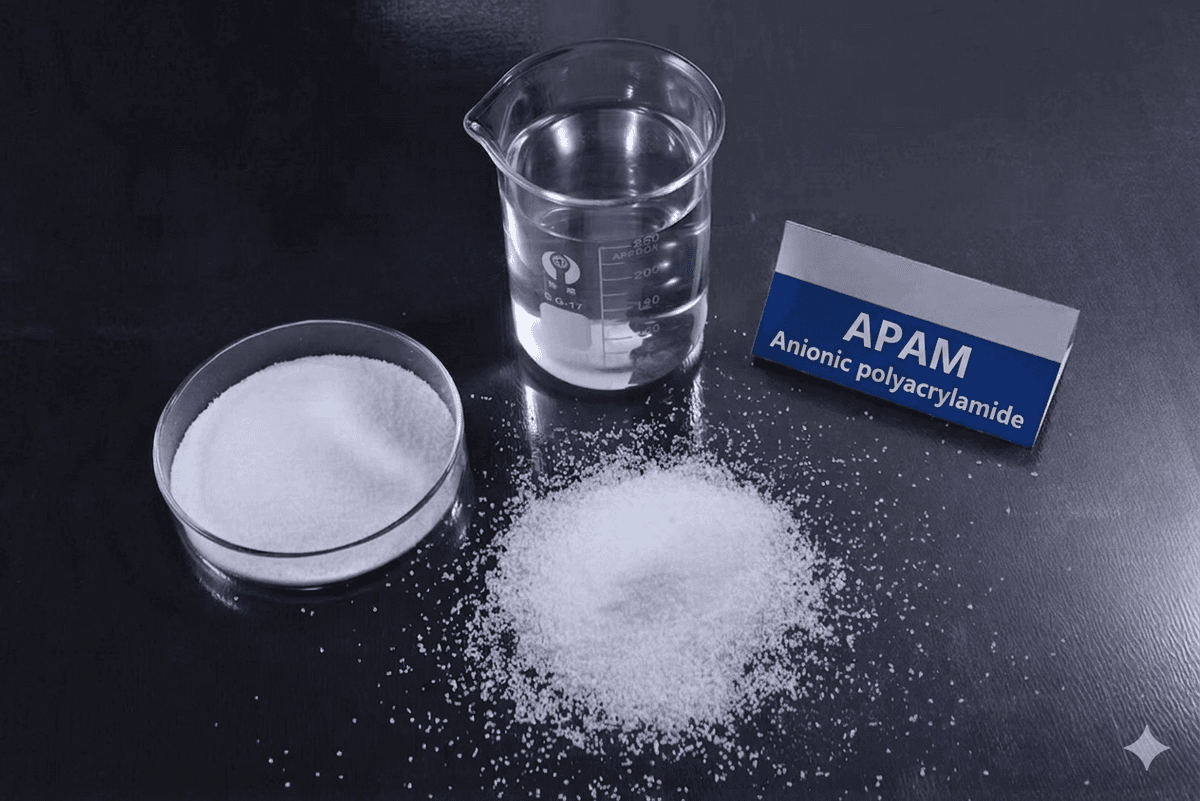
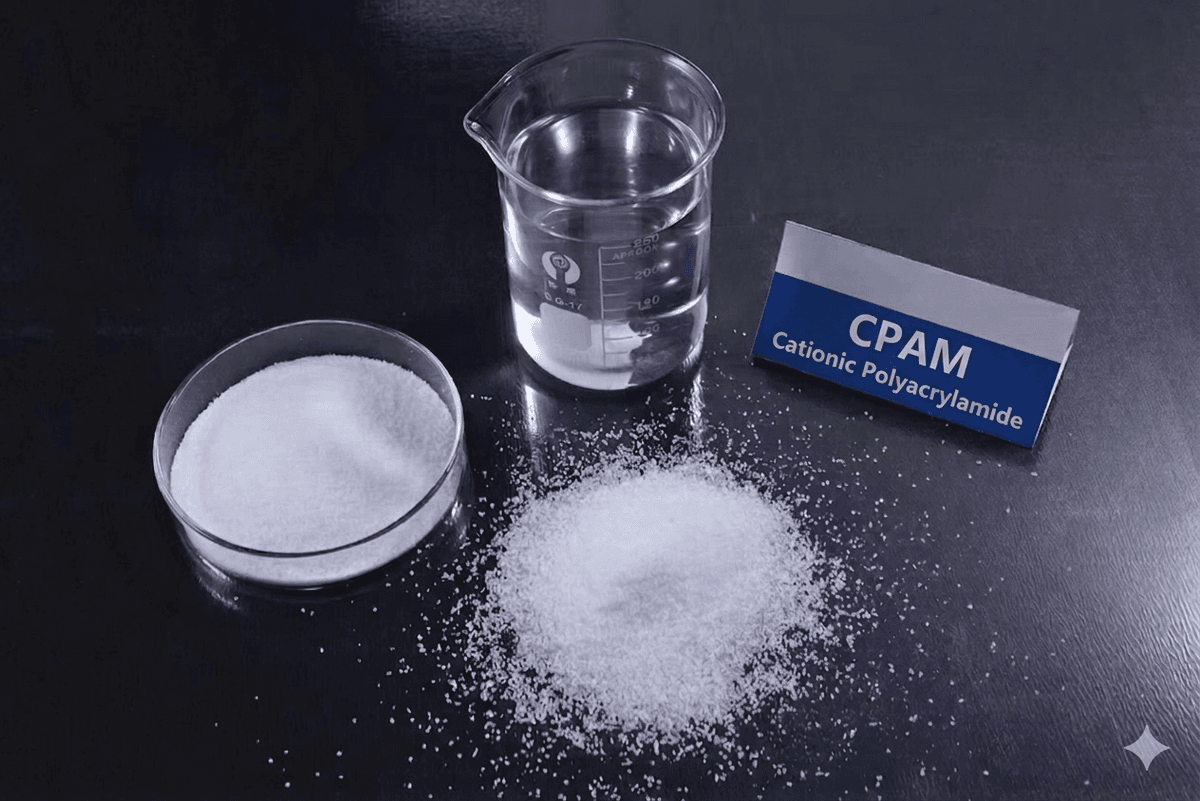
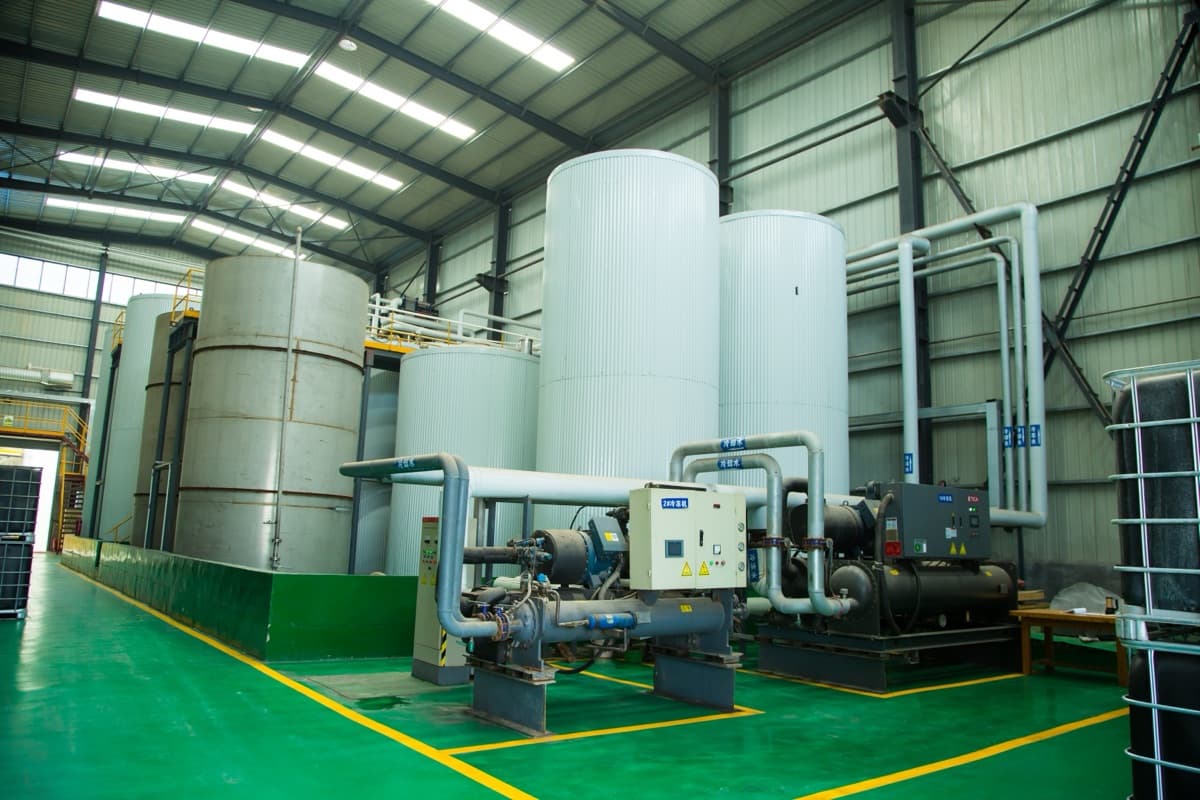

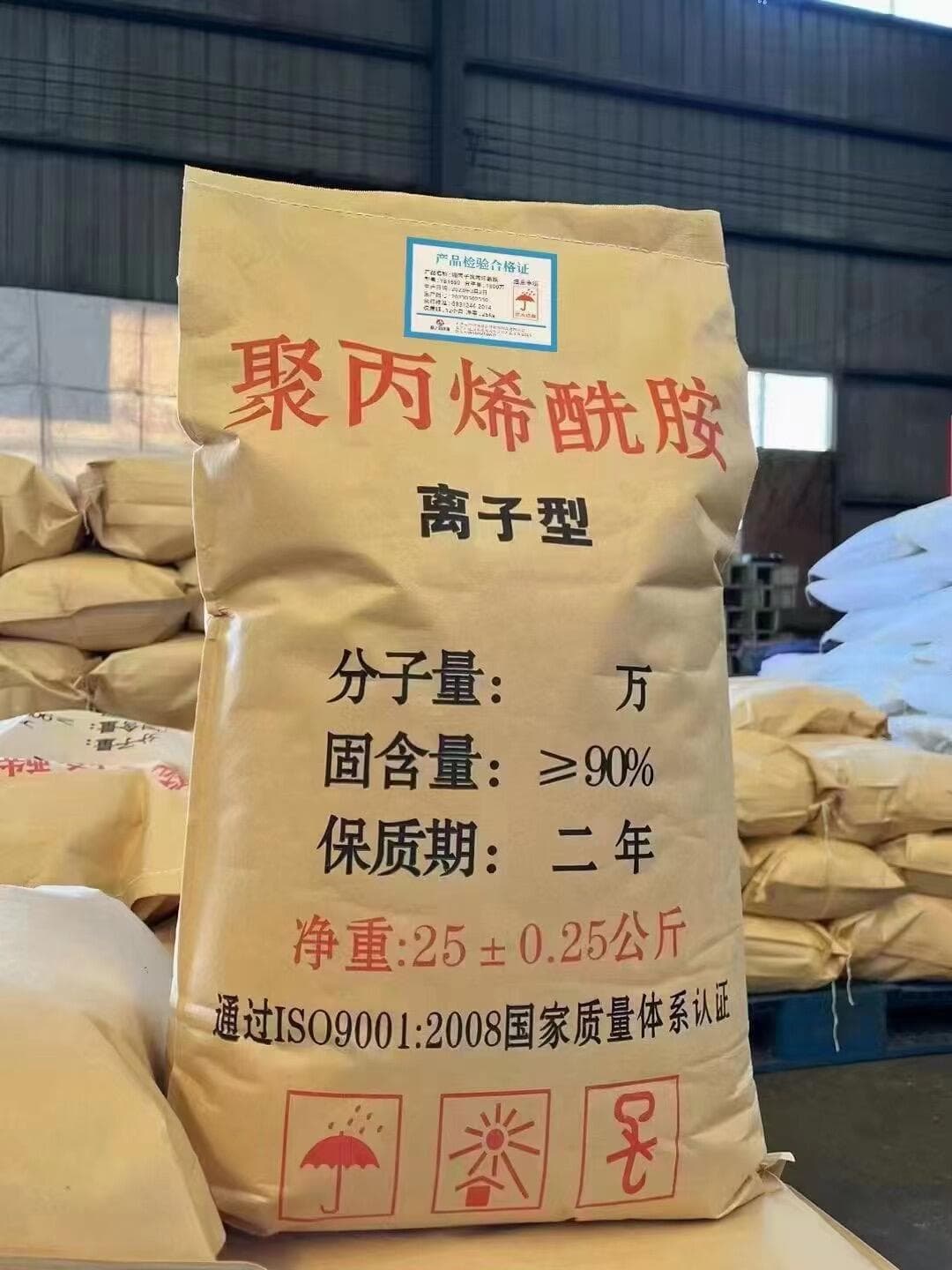
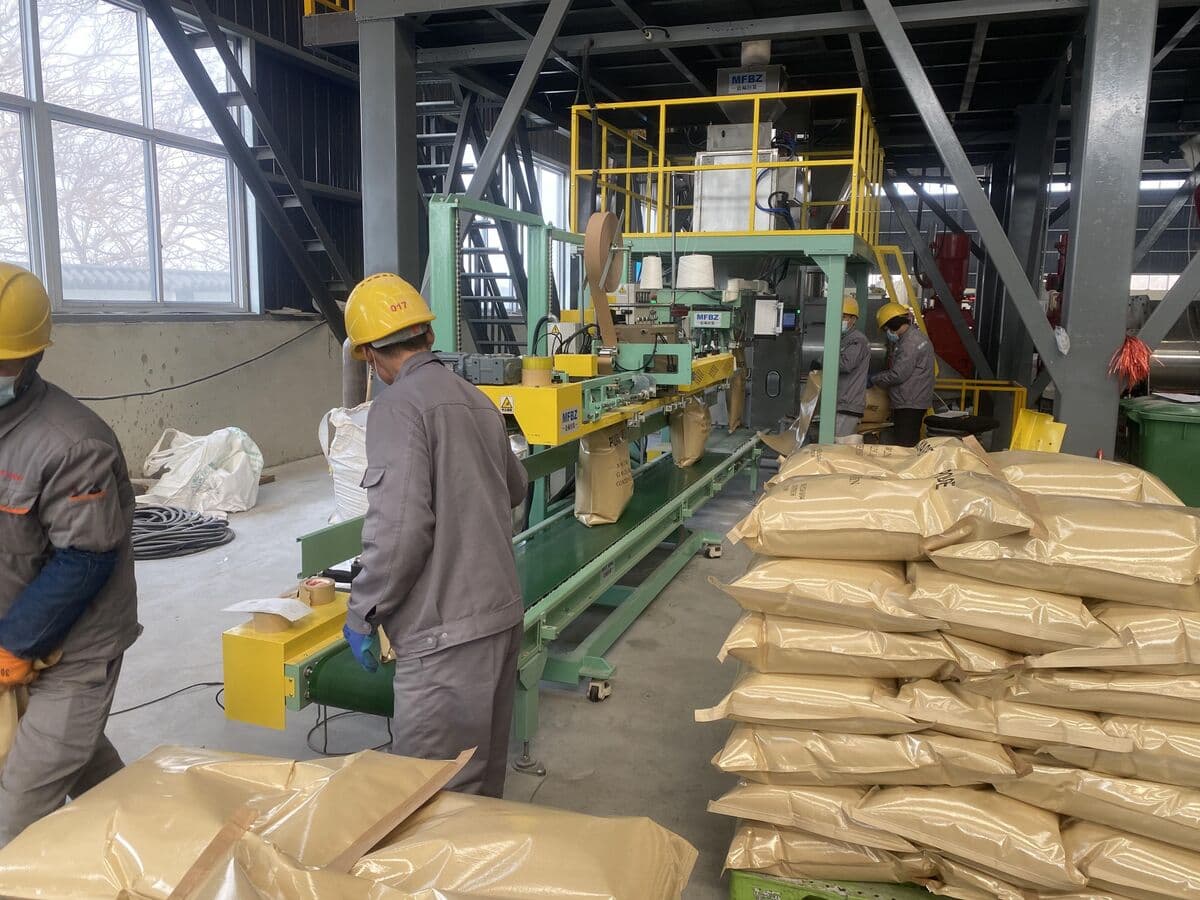
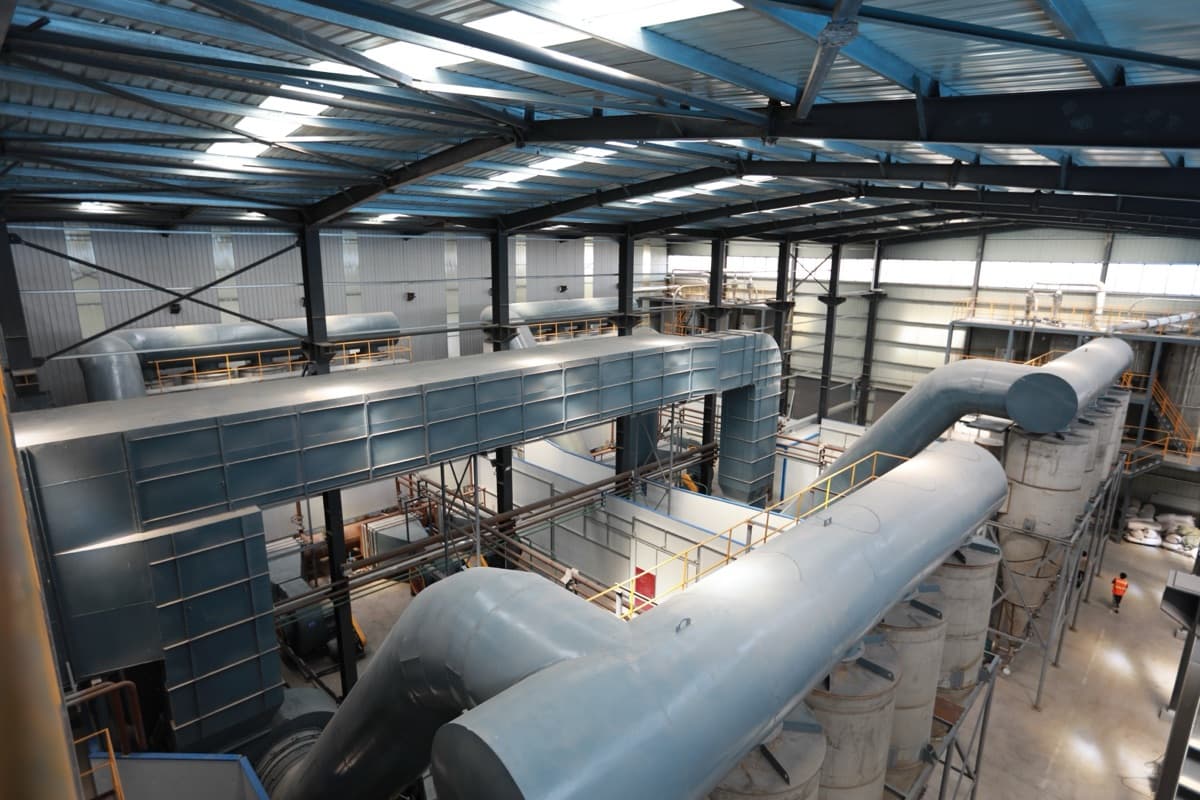
Praestol 2515 Equivalent — Low-Charge Anionic PAM Grade Screening
ChinaPAM can accept a Praestol 2515 enquiry and quote a low-charge anionic powder screening route after confirming the full label and feed conditions. Grade screening bracket: no single grade is named before the molecular-weight need is known.
View DetailsApplication Solutions
View Product Details →
FLOPAM AN 910 Equivalent — Low-Charge Anionic Polyacrylamide
Anionic polyacrylamide positioned against SNF FLOPAM AN 910 for municipal water clarification, mining tailings thickening and industrial effluent settling. Free trial sample with jar test protocol, MOQ 500 kg.
View DetailsApplication Solutions
View Product Details →
Zetag 8185 / 8187 Equivalent — High-Charge CPAM
Our very-high-charge, very-high-molecular-weight cationic polyacrylamide positioned against the Zetag 8185 and 8187 grades for municipal and industrial sludge dewatering on belt press and centrifuge.
View DetailsApplication Solutions
View Product Details →
FLOPAM EM Series Equivalent — Cationic Polyacrylamide Emulsion
Cationic polyacrylamide emulsion positioned against the FLOPAM EM series for sludge dewatering, clarification and paper wet-end duties where dissolution time rules out powder.
View DetailsApplication Solutions
View Product Details →
Brand Grade Coverage
Grades appearing in procurement specifications and supplier-switch inquiries, and the product we position against each one.
AECI SENFLOC
| Brand Grade | ChinaPAM Supply Route | Notes |
|---|---|---|
| 2550 | SENFLOC 2550 Equivalent Screening | Exact brochure row classified High Anionic with nine marked applications, including both copper tailings and coal tailings plus a decanter centrifuge dot. ChinaPAM screens CNfloc 1054 first with CNfloc 1063 as the alternate. Same-type screening only; the brochure requires a bench test for final selection. |
| 3180 | SENFLOC 3180 Equivalent Screening | Exact brochure row classified High Anionic with eight marked applications, including both coal tailings and brine clarification plus an iron ore tailings dot. ChinaPAM screens CNfloc 1054 first with CNfloc 1063 as the alternate. Same-type screening only; the brochure requires a bench test for final selection. |
| 5210 | SENFLOC 5210 Equivalent Screening | Exact brochure row and the only one classified Low Anionic, with printed dots on zinc neutral leach and on both the acid and alkaline Ni/Co/Cu leach duties. ChinaPAM screens CNfloc 1042 first with CNfloc 1082 as the alternate. Same-type screening only; the brochure requires a bench test for final selection. |
| 2660 | SENFLOC Mining Flocculant Grade Screening | High Anionic with eight marked applications. Its printed row is identical to SENFLOC 3110. ChinaPAM screens CNfloc 1054 first with CNfloc 1063 as the alternate. Same-type screening only. |
| 3110 | SENFLOC Mining Flocculant Grade Screening | High Anionic, printed row identical to SENFLOC 2660. Same screening route: CNfloc 1054 first, CNfloc 1063 as the alternate. Same-type screening only. |
| 3360 | SENFLOC Mining Flocculant Grade Screening | High Anionic. Its marked applications match the SENFLOC 2550 row except that no decanter centrifuge dot is printed. ChinaPAM screens CNfloc 1054 first with CNfloc 1063 as the alternate. Same-type screening only. |
| 5150 | SENFLOC Mining Flocculant Grade Screening | Medium Anionic with a single marked application, Zinc - Neutral Leach. ChinaPAM screens CNfloc 1062 first with CNfloc K62 as the alternate. Same-type screening only. |
| 5160 | SENFLOC Mining Flocculant Grade Screening | Low-Medium Anionic with no application dots printed on its row. That is a fact about the brochure layout, not evidence of non-applicability or non-supply. ChinaPAM screens CNfloc 1062 first with CNfloc 1042 as the alternate. Same-type screening only. |
Solenis Zetag
| Brand Grade | ChinaPAM Supply Route | Notes |
|---|---|---|
| 9214-DE | Zetag 9200 Series — ChinaPAM Selection Service | Low charge, linear structure, cationic inverse-emulsion liquid at very high relative MW. Effective pH range 4–9 and potable water applications excluded, per its data sheet. The -DE suffix is mandatory; a bare 9214 is not accepted as an alias. ChinaPAM proposes C8008 as the main powder route with C8001 or C8015 as backup. Selection service — no identical product and no drop-in claim. |
| 9216 | Zetag 9200 Series — ChinaPAM Selection Service | Medium charge, linear structure, cationic inverse-emulsion liquid at very high relative MW. ChinaPAM proposes C8001 or C8015 as the main powder route. Selection service — no identical product and no drop-in claim. |
| 9219 | Zetag 9200 Series — ChinaPAM Selection Service | Highest charge band in this group — labelled ultra high in the data sheet and very high in the accompanying FAQ — with a linear structure. The PDF file metadata reads 9219FS but the visible data sheet content governs and carries no FS suffix. ChinaPAM proposes C8055 or C8006 as the main powder route. Selection service — no identical product and no drop-in claim. |
| 9248FS | Zetag 9200 Series — ChinaPAM Selection Service | High charge, cross-linked / Medium-Structure, cationic inverse-emulsion liquid at very high relative MW. ChinaPAM proposes C8003, C8035, C8004, C8045 or C8005 from the high charge band; the structure requirement stays an open trial question because the available ChinaPAM grade data publishes no architecture field. Selection service — no identical product and no drop-in claim. |
| 9249FS | Zetag 9200 Series — ChinaPAM Selection Service | Ultra-high to very-high charge with a cross-linked structure, cationic inverse-emulsion liquid at very high relative MW. ChinaPAM proposes C8055 or C8006 as the main powder route. Selection service — no identical product and no drop-in claim. |
| 9266FS | Zetag 9200 Series — ChinaPAM Selection Service | Medium charge, highly cross-linked / High-Structure, cationic inverse-emulsion liquid at very high relative MW. ChinaPAM proposes C8001 or C8015 as the main powder route. Selection service — no identical product and no drop-in claim. |
| 9268FS | Zetag 9200 Series — ChinaPAM Selection Service | High charge, highly cross-linked / High-Structure, cationic inverse-emulsion liquid at very high relative MW. ChinaPAM proposes the C8003 family as the main powder route with C8002 or C8025 as backup. Selection service — no identical product and no drop-in claim. |
SNF
| Brand Grade | ChinaPAM Supply Route | Notes |
|---|---|---|
| FLOPAM AN 910 | APAM High Molecular Weight | Direct substitute, same MW/hydrolysis range |
| FLOPAM AN 934 | APAM Medium Molecular Weight | Similar MW range for coal fines |
| FLOPAM FO 4490 | CPAM High Charge Density | Equivalent 40–50% cationicity for bio-sludge |
| FLOPAM FO 3230 | CPAM Medium Charge Density | Cationic powder grade for paper retention duty |
| FLOPAAM 3630S | PHPA Oilfield Grade | Industry reference EOR PHPA — comparable MW and hydrolysis range |
| FLOPAM AN 910 FG | PAM for Sugar & Starch Processing | Benchmark grade for buyer-led comparison |
SNF FLOPAM
| Brand Grade | ChinaPAM Supply Route | Notes |
|---|---|---|
| FO 4240 SH | FLOPAM FO 4240 SH Alternative Selection | Distinct entry inside the FO 4000 SH & SHU table of the 2007 powder catalogue, classified as a low-charge, high-molecular-weight cationic powder. No ChinaPAM grade occupies both bands, so the answer is a bracket: CNfloc C8008 holds the Low charge band at Medium molecular weight, CNfloc C8003 holds the High molecular weight band at High charge. Selection service — no identical product, no drop-in claim and no performance guarantee before a trial. |
| EM 533 | FLOPAM EM 533 Equivalent — Anionic Emulsion PAM Powder Screening | Anionic emulsion liquid flocculant; acrylamide/acrylic acid copolymer; opaque yellowish emulsion, 34–41% total solids, 350–1,450 cP (SNF Mexico TDS, historical, page 1). 1998 Chemtall MSDS, physical PDF page 2, Section 9 separately identifies: viscous liquid; milky color. Charge density UNKNOWN. ChinaPAM route: anionic powder (APAM) shape-conversion bracket after equipment feasibility check. Complete anionic bracket screened after intake; no single grade pre-selected. |
| EM 840 HIB | FLOPAM EM 840 HIB Alternative Supply | Cationic emulsion flocculant (2018 Korona distributor SDS); viscous milky-white liquid, pH 4–6 at 5 g/L, relative density 1.0–1.1, complete miscibility (Section 9). Specified for excess-sludge thickening in a 2025 public tender issued by PWiK Ostróda (a purchasing utility in Poland). HIB suffix is a mandatory part of the grade designation — the held records identify this full string; interchangeability with suffixless EM 840, CT or EM 440 is not established by the accepted records. Charge density and MW not established in accepted records. ChinaPAM route: cationic powder (CPAM) shape-conversion bracket after equipment feasibility check. |
| FO 4350 SH | FLOPAM FO 4350 SH Equivalent — Medium-Charge High-MW Cationic PAM Grade-Selection Screening | SNF historical FLOPAM powder catalogue 2007, page 7: Medium charge, High MW; bulk density 0.85 (approx.); viscosity 625/340/140 cps at 5.0/2.5/1.0 g/L; 4 g/L recommended, 10 g/L max, 60 min dissolution; 25 kg bags, 750 kg big bags. Historical catalogue values. SH suffix mandatory. ChinaPAM route: C8001 primary (charge axis), C8003 backup (MW axis). Grade-selection screening; no drop-in claimed. |
| FO 4490 VHM | FLOPAM FO 4490 VHM Equivalent — Medium-Charge Ultra-High-MW Cationic PAM Selection | SNF historical FLOPAM powder catalogue 2007, page 4: Medium charge, Ultra-high MW; bulk density 0.71 (approx.); viscosity 920/500/210 cps at 5.0/2.5/1.0 g/L; 3 g/L recommended, 5 g/L max, 120 min dissolution; 25 kg bags, 750 kg big bags. Historical catalogue values. VHM suffix mandatory. ChinaPAM route: C8003 primary (chain-length axis), C8001 backup (charge axis). Grade-selection screening; no drop-in claimed. |
Kemira KemSep
| Brand Grade | ChinaPAM Supply Route | Notes |
|---|---|---|
| C-7107 | KemSep C-7107 Equivalent Screening | Cationic emulsion PAM for mud dewatering (World Oil 2015, p.21); NREL table records 10% molar charge and an estimated 10 million MW with no flocs-formed check mark on that row. ChinaPAM screens CNfloc C8008 first and holds C8001 as the single backup. Same-type screening only. |
| C-7205 | KemSep C-7205 Equivalent Screening | Cationic emulsion PAM for mud dewatering (World Oil 2015, p.21); NREL table records 20% molar charge, an estimated 8 million MW and a flocs-formed check mark on that row. ChinaPAM screens CNfloc C8001 first with C8015 as the single backup. Same-type screening only. |
| C-8109 | KemSep C-8109 Equivalent Screening | Cationic dry PAM (DPAM) for mud dewatering (World Oil 2015, p.21); a mirrored Kemira-origin brochure places it in the KemSep 8000 dry series and describes it as cationic, low charge, medium MW — relative labels on that brochure’s own scale. ChinaPAM screens CNfloc C8008 first with C8001 as the single backup. Same-type screening only. |
| C-8402 | KemSep C-8402 Equivalent Screening | Cationic dry PAM (DPAM) for mud dewatering (World Oil 2015, p.21); a mirrored Kemira-origin brochure places it in the KemSep 8000 dry series and describes it as cationic, medium charge, medium MW — relative labels on that brochure’s own scale. ChinaPAM screens CNfloc C8001 first with C8015 as the single backup. Same-type screening only. |
Solenis (ex-BASF)
| Brand Grade | ChinaPAM Supply Route | Notes |
|---|---|---|
| Zetag 8160 | CPAM High Charge Density | Published as medium-high charge / high MW cationic powder |
| Zetag 8180 | CPAM High Charge Density | Published as high charge / high MW cationic powder |
| Zetag 8125 | CPAM Medium Charge Density | Published as low charge / high MW cationic powder |
Kemira Superfloc
| Brand Grade | ChinaPAM Supply Route | Notes |
|---|---|---|
| A-130 | Superfloc A-130 Equivalent — Medium-Charge High-MW Anionic PAM Same-Type Supply | Kemira SDS (revised 2020-05-28): anionic PAM granular off-white solid, pH 7–9 at 0.5%. Kemira TDS PS-D0014-EN (2015-05) page 14: separate columns for bare A-130, A-130 LMW and A-130 MMW — no A-130 HMW column in the accepted TDS; medium charge, high MW, bulk density 0.83 kg/L. A-100 series: DAF/filtration/gravity settling/dewatering/phosphorus removal, stock ≤0.5%, 30–60 min ageing. ChinaPAM route: K62 primary, 1054 backup. Screening route only. |
| C-491 K | Superfloc C-491 K Equivalent — Very-Low-Charge Very-High-MW Cationic PAM Two-Axis Screening | Kemira Mexico PDS PS-2013-ES-0310 (PDF metadata 2010-03-09): C-490 HMW dry cationic series; white granular; Very Low charge; Very High MW; bulk density 0.72 kg/L; pH 3.0–5.0 at 0.5%; viscosity 40/100/300/1000 cP at 0.10%/0.25%/0.50%/1.00%. K suffix is mandatory. ChinaPAM route: two-axis bracket — C8008 (charge anchor) and C8055 (MW anchor). Two-axis grade screening; no single drop-in named. |
Solenis Magnafloc
| Brand Grade | ChinaPAM Supply Route | Notes |
|---|---|---|
| 455 | Magnafloc 455 Alternative Supply — Cationic PAM Selection and Trial Route | Current Solenis LLC SDS R1200574 (2024-09-20): material 933311; off-white odourless powder flocculant; pH 3.5–4.5 at 10 g/L; viscous solution in water. EP 3019271 B1 paragraph [0048] (published 2021-06-23): historical patent exact-name table — cationic, very-low charge, very-high MW. Historical context; not a current Solenis product specification. ChinaPAM: no grade combines both axes; C8008 is the charge-direction anchor; C8055/C8006 are the MW-direction anchors. Grade-selection screening; trial determines route. |
| 504 | Magnafloc 504 Alternative Supply — Cationic Route Screening | Current Solenis UK SDS R1201884 (2024-11-19): material 933408; off-white odourless granular flocculant; pH 3.5–4.5 at 10 g/L; viscous solution in water. Quadra current distributor page (captured 2026-10-07, names Solenis as supplier, Canada page): low-MW, high-charge cationic PAM, free-flowing micro-bead form; solid-liquid separation; optional co-flocculant. Distributor context only; not issuer-hosted PDS. ChinaPAM: no Low-MW cationic or micro-bead row in the published product range; C8002/C8025 are charge-side anchors only. Grade-selection screening; trial determines route. |
Kemira
| Brand Grade | ChinaPAM Supply Route | Notes |
|---|---|---|
| Superfloc A-110 | APAM High Molecular Weight | Comparable MW and charge |
| Superfloc C-492 | CPAM High Charge Density | Comparable charge density for municipal WWTP |
NALCO
| Brand Grade | ChinaPAM Supply Route | Notes |
|---|---|---|
| NALCO 8184 | APAM Medium Molecular Weight | Published as an anionic flocculant for mineral processing duty |
| NALCO 71303 | CPAM High Charge Density | Belt press application, similar dosage |
Ashland / Stockhausen Praestol
| Brand Grade | ChinaPAM Supply Route | Notes |
|---|---|---|
| Praestol 2515 | Praestol 2515 Equivalent — Low-Charge Anionic PAM Grade Screening | US 2015/0284673 A1 Table 11 (2015 patent publication) lists 2515/2515TR: low anionic charge, bulk density 42 lb/ft³, solution viscosity above 2000 cP (DW) / 180 cP (brine), pH 5–12. WO 2010/006366 A1 (2010) identifies it as a weakly anionic acrylamide/sodium-acrylate copolymer. ChinaPAM offers a low-charge powder screening bracket. Bracket screening only. |
BASF
| Brand Grade | ChinaPAM Supply Route | Notes |
|---|---|---|
| Magnafloc E10 | PAM for Sugar & Starch Processing | Benchmark grade for sugar and process-water comparison |
Suffix-Specific Grades — SNF FLOPAM
The following grades are sourced from the SNF FLOPAM Product Catalogue 2007 with page-level citations. Brookfield viscosity values are reported at three solution concentrations (5 g/L / 2.5 g/L / 1 g/L) as given in the catalogue; measurement conditions (temperature, spindle, rpm) are not separately specified here and should be taken from the original catalogue page. Dissolution conditions are listed separately per grade. Four grades with SH suffix have independent comparison pages linked in the table; other suffix grades in this section do not have dedicated pages — submit your full grade suffix and application duty and we will identify the matching supply grade.
Source: SNF FLOPAM Product Catalogue 2007 — page numbers cited per row.
| Grade | Cat. p. | Charge / MW Tier | Brookfield (5/2.5/1 g/L) | Dissolution | How We Engage |
|---|---|---|---|---|---|
| FLOPAM AN 913 SH | 35 | Anionic / Low charge / Very High MW | 1300 / 500 / 150 cps | Rec 5 g/L, max 10 g/L, 60 min | |
| FLOPAM AN 923 SH | 35 | Anionic / Medium charge / Very High MW | 1600 / 600 / 200 cps | Rec 3 g/L, max 5 g/L, 60 min | |
| FLOPAM AN 934 VHM | 34 | Anionic / High charge / Ultra High MW | 2000 / 800 / 300 cps | Rec 3 g/L, max 5 g/L, 90 min | |
| FLOPAM AN 945 SH | 36 | Anionic / High charge / Very High MW | 1820 / 700 / 280 cps | Rec 3 g/L, max 5 g/L, 60 min | |
| FLOPAM AN 956 SH | 36 | Anionic / High charge / Very High MW | 1850 / 750 / 300 cps | Rec 3 g/L, max 5 g/L, 60 min | |
| FLOPAM FA 920 VHM | 30 | Non-ionic / Ultra High MW | 220 / 60 / 20 cps | Rec 5 g/L, max 15 g/L, 300 min | |
| FLOPAM AH 912 SH | 32 | Very Low charge / Very High MW | 450 / 180 / 100 cps | Rec 5 g/L, max 10 g/L, 150 min | |
| FLOPAM FO 4190 VHM | 4 | Cationic / Low charge / Ultra High MW | 680 / 340 / 160 cps | Rec 3, max 5 g/L, 240 min | |
| FLOPAM FO 4115 | 11 | Cationic / Very Low charge / Standard MW | 60 / 20 / 5 cps | Rec 5, max 10 g/L, 120 min | |
| FLOPAM FO 4140 SEP | 25 | Cationic / Very Low charge / High MW; historical drinking-water-production table | 230 / 100 / 40 cps | Rec 5, max 10 g/L, 90 min | |
| FLOPAM FO 4107 SSH | 5 | Cationic / Ultra Low charge / Very High MW | 120 / 40 / 20 cps | Rec 5 g/L, max 10 g/L, 150 min | |
| FLOPAM AN 970 VLM | 43 | Anionic / High charge / Very Low MW | 700 / 350 / 120 cps | Rec 8 g/L, max 15 g/L, 45 min | |
| FLOPAM AN 900 SD series (AN 905 SD – AN 977 SD) | 37 | Anionic / Very Low to Very High charge / Very High MW | 250–1000 / 100–450 / 50–220 cps | AN 905/910 SD rec 5, max 10 g/L; others rec 3, max 5 g/L; 60 min | |
| FLOPAM AN 900 HD series (AN 905 HD – AN 956 HD) | 40 | Anionic / Very Low–High charge / High MW and low viscosity | Model-specific values; see p.40 and the series page | AN 905/910/913 HD rec 5, max 10 g/L; AN 923/934/945/956 HD rec 3, max 5 g/L; 60 min | |
| FLOPAM AN 900 MPM / MPMU series (AN 905 MPM – AN 934 MPMU) | 41 | Anionic / Very Low–High charge / Medium MW | Model-specific values; see p.41 and the series page | AN 905 MPM rec 10 g/L; others rec 8 g/L; 60 min | |
| FLORET AN 900 PG series (AN 923 PG0 / AN 905–934 PG1 / AN 905–945 PG2) | 44 | Anionic / Very Low–High charge / Ultra High (PG0), Very High (PG1) and High (PG2) MW — paper-retention grades | PG0: 150 min dissolution — PG1: 90 min — PG2: 60 min (catalogue conditions) | PG0 rec 3 g/L, max 5 g/L, 150 min; PG1 rec 3 g/L, max 5 g/L, 90 min; PG2 rec 5 g/L, max 10 g/L, 60 min | |
| FLOBEADS AB series (AB 305 VLM / MPM, AB 705 BPM, AB 995 BPM / V) | 47 | Anionic / Medium and Very High charge / Medium or Very Low MW — bead form | AB 995 BPM 350/170/80 cps at 5/2.5/1 g/L; other grades are listed at 10 g/L, see p.47 | All five: rec 8–10 g/L, 30 min under catalogue condition | |
| FLOSTRENGTH RSB 105/305 VBR and RSP 9100 (pp.48-49) | 48 | Anionic / Low–Medium charge / Very Low MW — dry-strength paper grades | RSP 9100: 1400/655/200 cps at 30/20/10 g/L; RSB VBR bead form see p.48 | RSB: bead form, 30 min; RSP 9100: powder, 60 min under catalogue condition | |
| FLOPAM AN PWG / SEP series (16 drinking-water grades) | 50 | Anionic and Nonionic / drinking-water production — PWG and SEP suffix families | Varies by base grade; see pp.50-51 for each column | Varies by base grade and suffix; full grade label and compliance documents required before selection | |
| FLOPAM FO 4125 SH / FO 4125 SSH | 7 | Cationic / Very Low charge / High MW (SH, p.7); Very Low charge / Very High MW (SSH, p.5) | SH 150/50/20 cps — SSH 240/90/30 cps | SH: rec 5, max 10 g/L, 120 min — SSH: rec 5, max 10 g/L, 150 min | |
| FLOPAM FO 4191 AR | 18 | Cationic / Low charge / Medium MW; historical catalogue labels this family high-conductivity resistant | 650 / 300 / 100 cps | Rec 5, max 10 g/L, 120 min | |
| FLOPAM FO 4400 SH | 8 | Cationic / Medium charge / High MW | 520 / 260 / 110 cps | Rec 4, max 10 g/L, 60 min | |
| FLOPAM FO 4700 | 12 | Cationic / High charge / Standard MW | 600 / 270 / 130 cps | Rec 4, max 10 g/L, 60 min | |
| FLOPAM FO 4800 | 12 | Cationic / Very High charge / Standard MW | 650 / 320 / 130 cps | Rec 4, max 10 g/L, 60 min | |
| FLOPAM FO 4550 SH / SHU / SSH | 6 | Cationic / High charge / Very High MW (SSH, p.6); High charge / High MW (SH + SHU, p.8) | SSH 770/370/170 cps — SH 550/260/100 cps — SHU 350/150/100 cps | SSH: rec 3, max 5 g/L, 90 min — SH/SHU: rec 4, max 10 g/L, 60 min | |
| FLOPAM FO 4690 SSH | 6 | Cationic / Very High charge / Very High MW | 720 / 350 / 160 cps | Rec 3, max 5 g/L, 90 min | |
| FLOPAM FO 4990 SH | 9 | Cationic / Very High charge / High MW | 560 / 310 / 130 cps | Rec 4, max 10 g/L, 60 min | |
| FLOPAM FO 4498 SH | 15 | Cationic / Medium charge / High MW | 650 / 360 / 140 cps | Rec 4, max 10 g/L, 60 min | |
| FLOPAM FO 4498 | 15 | Cationic / Medium charge / Standard MW | 350 / 200 / 100 cps | Rec 4, max 10 g/L, 60 min | |
| FLOPAM FO 8650 | 13 | Cationic / High charge / Standard MW | 730 / 340 / 105 cps | Rec 4, max 15 g/L, 60 min | |
| FLOPAM FO 8990 / FO 8990 SH | 13 | Cationic / Very High charge / Standard MW | FO 8990: 600/300/110 cps — FO 8990 SH: 700/350/110 cps | FO 8990: rec 4, max 20 g/L, 60 min — FO 8990 SH: rec 4, max 10 g/L, 60 min |
ChinaPAM will review the supply route for the full suffix. Start with the grade name, a bag-label photo or your purchasing requirement; process details can follow.
Cationic SNF Family Pages — CB, KB 6, PG, MPM, SHU, PWG / SEP
ChinaPAM answers these cationic families from its cationic polyacrylamide powder range. Each page has a grade selector, the checks that matter for that family and what to send for a quotation.
Archived SNF powder/bead catalogue data are historical indicative values under stated conditions; the printed edition year is unconfirmed and the data are not ChinaPAM specifications. Page numbers refer to the PDF.
- FLOPAM CB 120 / CB 190
Standard MW cationic powder, Very Low and Low charge; 90 min dissolution
PDF p.10
- FLOBEADS KB 6 / KB 6 SH, FLORET KB 156 PG1
Cationic beads, Medium to Very High charge; KB 5 g/L, KB SH 4 g/L recommended; powder route
PDF p.19–21
- FLORET FO 4000 PG0 / PG1 / PG2 / PG3 / PG
Fourteen paper-retention grades; the PG suffix sets the MW tier, dissolution and make-up limit
PDF p.16–17
- FLOPAM FO 4650 MPM / FO 4800 MPM
Medium MW, High and Very High charge; bulk density 0.85 vs 0.63
PDF p.14
- FLOPAM FO 4290 to FO 4650 SHU
High MW, Low to High charge; compared against the SH grade on each number
PDF p.7–8
- FLOPAM FO 4115 to FO 4240 PWG / SEP
Eight drinking-water table columns; selection route with document check first
PDF p.25
Grades Awaiting Technical Confirmation
These are active procurement grades that appear in supplier-switch inquiries and specification sheets. We have not yet obtained manufacturer-issued TDS documentation sufficient to assign a specific ChinaPAM grade with confidence. If you currently use one of these, send us your TDS or describe your application duty and we will review the supply options with you.
| Brand | Grade | Status | Next Step |
|---|---|---|---|
| BASF | Magnafloc 10 | Grade-level search and procurement intent identified. Manufacturer TDS not on file; chemistry tier and MW range not independently verified. Grade assignment requires direct technical confirmation. | Send TDS / Ask for Match |
| BASF | Magnafloc 525 | Grade-level search and procurement intent identified. Manufacturer TDS not on file; MW, charge density and application profile not independently verified. Grade assignment requires direct technical confirmation. | Send TDS / Ask for Match |
| Solenis | Praestol 2640 | Grade-level search and procurement intent identified. Manufacturer TDS not on file; relationship to the Praestol 2500 series not independently documented. Grade assignment requires direct technical confirmation. | Send TDS / Ask for Match |
| BASF | Magnafloc 611 | Grade intent retained; manufacturer-issued grade sheet not on file; chemistry/MW/duty not asserted. Send current label/TDS or describe your application duty for a matching recommendation. | Send TDS / Ask for Match |
| BASF | Magnafloc 342 | Grade intent retained; manufacturer-issued grade sheet not on file; chemistry/MW/duty not asserted. Send current label/TDS or describe your application duty for a matching recommendation. | Send TDS / Ask for Match |
| SNF | FLOPAM AN 995 | Grade intent retained; manufacturer-issued grade sheet not on file; chemistry/MW/duty not asserted. Send current label/TDS or describe your application duty for a matching recommendation. | Send TDS / Ask for Match |
Additional Grade Notes — Existing Pages
These grades are covered within existing comparison pages. Use the links below to go directly to the relevant grade section.
FLOPAM AN 910 SH
FLOPAM AN 910 SH — SNF 2007 catalogue: Low charge / Very High MW anionic powder. See the grade notes on the AN 910 page.
FLOPAM AN 977 SH
FLOPAM AN 977 SH — procurement intent confirmed. See the grade notes on the AN 977 page.
Zetag 8185
Zetag 8185 — BASF May 2015 range slide: cationic powder at very high relative cationicity, on a high relative MW row below the row holding 8187. ChinaPAM primary lane: C8005, with C8055 and C8006 as the higher-charge bracket. Same-sludge trial confirms the direction.
Magnafloc 6260
Magnafloc 6260 — BASF mineral-processing chart: High charge anionic powder, ticked across ten duties including zinc leaching, copper and coal tailings, brine clarification and phosphate slurry. ChinaPAM supplies the same ionic type and physical form; CNfloc 1054 / 1054VK are the primary lane.
Zetag 8147
Zetag 8147 — BASF Water Solutions Europe range slide: cationic solid-grade powder, highest relative MW row, mid-range cationicity. ChinaPAM primary lane: CNfloc C8003, C8035, C8004, C8045 and C8005 at High charge / High MW.
Zetag 8167
Zetag 8167 — BASF range slide: cationic solid-grade powder, highest relative MW row, positioned to the right of 8147 at higher cationicity. ChinaPAM primary lane: CNfloc C8055 and C8006 at Very High charge / Very High MW.
Zetag 4105
Zetag 4105 — BASF May 2015 slide: anionic powder at low relative anionicity, on a higher relative MW row than 4100. ChinaPAM screening lane: 1082 (very-high MW / low charge) or K62 (high MW / medium charge). Same-feed trial confirms the direction.
Zetag 4110
Zetag 4110 — BASF May 2015 slide: anionic powder at low-to-medium relative anionicity, on the same high relative MW row as 4105 and 4120. ChinaPAM screening lane: K62, with 1082 as the lower-charge bracket. Same-feed trial confirms the direction.
Zetag 4125
Zetag 4125 — BASF May 2015 slide: anionic powder at medium relative anionicity, on the highest relative MW row of the anionic powder chart. ChinaPAM selection lanes: K62 for charge alignment and 1054V for the very-high-MW direction. Same-feed trial resolves the trade-off.
Zetag 4190
Zetag 4190 — BASF May 2015 slide: anionic powder at the highest relative anionicity end of the chart, on a lower relative MW row than 4125 and 4145. ChinaPAM screening lane: 1001-ZJ, with 1090-FG as the lower-MW bracket. Same-feed trial confirms the direction.
Zetag 8110
Zetag 8110 — BASF May 2015 slide: 81XX cationic powder at the lowest relative cationicity end of the powder portfolio, on a high relative MW row. ChinaPAM selection lanes: C8008 for charge proximity, C8003 or C8035 for the higher-MW direction. Same-sludge trial resolves the trade-off.
FLOPAM FO 4490
FLOPAM FO 4490 — the suffix decides the route. The SNF 2007 catalogue lists the root at Medium charge / Standard MW, SH and SHU at Medium charge / High MW, and SSH at High charge / Very High MW. Send the full bag label or current TDS so the correct lane is quoted.
Praestol 2510-UK — anionic powder supply comparison
ChinaPAM supplies low-charge anionic PAM powder, with CNfloc 1082 as the primary route for comparison with the grade described in Solenis’s 2020 Praestol 2510-UK product data sheet. Contact us for a price or sample; a full grade label or purchasing requirement is enough to start.
| Item | ChinaPAM supply route | Praestol 2510-UK in the cited sheet |
|---|---|---|
| Type and form | Anionic powder | Low-anionic-charge powder |
| Molecular-weight band | Very High on our scale | High on Solenis’s scale; these are not a shared numerical scale |
| Preparation | 1–3 g/L; maximum 5 g/L; dissolution ≤60 min | Approximately 0.5% stock solution; approximately 2 hours at approximately 20°C |
| Prepared-solution handling | Prepare and compare under our applicable powder instructions | For maximum effect, use 0.25–0.5% stock solutions within 5 days |
For comparison trials: Keep each product’s preparation conditions separate. When changing supply, check solution maturity, settling rate and overflow clarity on the same feed; compare fresh and stored stock solutions before choosing batch size and dose.
The cited sheet excludes potable-water use. Its statements apply to the exact 2510-UK designation and are not transferred to Praestol 2510 or 2510 DK.
Source: Solenis, Praestol 2510-UK Flocculant, PYM-PDS-EMEA-Praestol 2510-UK, ©2020. Manufacturer-authored historical document held through a third-party host; not a current contract specification.
Ask for a Price or SampleGrade Inquiry Table
Active procurement grades that appear in supplier-switch inquiries. Where source documents have been reviewed, relative profile positions are noted. Use the CTA to start a conversation about your specific grade and application.
| Grade | Brand | Notes | Enquire |
|---|---|---|---|
| Aquafloc AN 950 | Aquafloc | Looking for supply options for Aquafloc AN 950? Contact us about your current grade. A label photo or existing datasheet can help with identification. | |
| FLOPAM FO 4132 | FLOPAM | Ask about FLOPAM FO 4132. Share the complete grade name, including any suffix on the label, to help us review supply options. | |
| FLOPAM FO 4990 | SNF | SNF's 2007 catalogue shows FO 4990 in its powder-range graphic and documents FO 4990 SH separately. Share the full label name so the correct suffix-specific information is used. | |
| FLOPAM FO 8290 | FLOPAM | Ask about FLOPAM FO 8290 supply options. The full product name, including any label suffix, helps us identify the grade you are sourcing. | |
| Hyperfloc MG 655 | Hyperfloc | Ask about Hyperfloc MG 655. A current label or datasheet can help identify the product and the requirements for a supply review. | |
| Magnafloc 139 | Magnafloc | Looking for supply options for Magnafloc 139? Contact us about the exact grade and your requirements. Existing product documents are helpful if available. | |
| Nalco 8172 PULV | Nalco | Ask about Nalco 8172 PULV. Include PULV exactly as shown on your label so the complete product designation is checked. | |
| Nalco 9825 | Nalco | Ask about Nalco 9825 supply options. Start with the grade name; a label photo or existing datasheet can be added when available. | |
| Praestol 2510 / Praestol 2510 DK | Praestol | Praestol 2510 / Praestol 2510 DK — share the exact designation on your label, including DK where present, so we can check which product information applies. | |
| Praestol 2639 | Praestol | Solenis’s December 2024 safety data sheet identifies Praestol 2639 as a water-soluble powder flocculant. It does not state the ionic type needed to select a ChinaPAM route. Contact us for a price or supply review. Start with the grade name and purchasing requirement; add a label or product data sheet when available. | |
| Praestol 851 DK | Praestol | Ask about Praestol 851 DK. The full label designation and any available product document help us review your supply requirements. | |
| Zetag 4120 | BASF | BASF's anionic-powder portfolio places Zetag 4120 to the left of 4139 and 4145 on its anionicity axis. Ask us to review your current grade requirements. | |
| Zetag 4139 | BASF | BASF's anionic-powder portfolio places Zetag 4139 between 4120 and 4145 on its anionicity axis. These relative positions help identify the profile to discuss. | |
| Zetag 4145 | BASF | BASF's anionic-powder portfolio places Zetag 4145 above and to the right of 4120 and 4139 on its molecular-weight and anionicity axes. Contact us to discuss the grade you use. | |
| Zetag 8108 | Zetag | Ask about Zetag 8108. Include any suffix, such as DL, exactly as it appears on your label so the product can be identified before discussing supply options. | |
| Magnafloc 155 | BASF | BASF's mining application chart lists Magnafloc 155 as a medium-anionic powder. Magnafloc 156 is listed at a different charge level. See the grade notes before selecting a supply route. | |
| Magnafloc 1011 | BASF | BASF's mining application chart lists Magnafloc 1011 as a medium-anionic powder with mineral-processing applications. See the separate grade notes within our existing Magnafloc comparison. | |
| Magnafloc 5250 | BASF | BASF's mining application chart groups Magnafloc 5250 with 156 as high-anionic powders. See the separate 5250 notes in our existing Magnafloc comparison; the shared chart row does not establish interchangeability. | |
| Magnafloc 366 | BASF | BASF's mining application chart lists Magnafloc 366 as a high-anionic powder and gives it the same suggested-duty checks as 1011 and the 156 / 5250 row. Molecular weight is not published there. See the grade notes; we screen within the same anionic powder type rather than naming a ranked route. | |
| Magnafloc 345 | BASF | BASF's mining application chart prints Magnafloc 345 in the same high-anionic powder row as 919, with the same suggested-duty checks. The shared row does not make them the same product, and the 919 datasheet figures are not 345 figures. See the grade notes. |
How to Evaluate a Change of Supplier
- Record your current baseline. Note the grade, the dose rate in ppm or g/t, and the result you hold it to — supernatant turbidity, cake dryness, filtrate clarity, whichever governs your process. Without a baseline number no comparison can be settled.
- Request the matching trial grade. Tell us the brand and grade you run now. Contact us to discuss trial arrangements for the grade we position against it.
- Jar test side by side on your own stream. Run the incumbent and the trial grade on the same sample, same mixing energy, starting from your existing dose. Water chemistry and solids loading decide the optimum, so this step cannot be replaced by a datasheet.
- Trial on one line before committing. If the jar test matches, run a single line or a single batch in production. Full-scale mixing and residence time behave differently from a beaker.
- Then price it. Compare on cost per tonne treated, not cost per kilogram. A cheaper polymer at a higher dose is not cheaper.
Frequently Asked Questions
Are these licensed copies of the original brand products?
No. They are independently manufactured polyacrylamide grades. For documented comparisons, the base chemistry is in the same family and we position each grade against a published brand profile, but nothing here is a licensed or reverse-engineered copy. For grades in the inquiry table, chemistry profile has not been independently confirmed — we capture the exact name and review supply options once you share your TDS or application duty. We recommend confirming any documented comparison with a jar test on your own stream.
How can you compare grades if suppliers do not publish exact figures?
Major suppliers publish descriptors — low / medium / high molecular weight and charge density — rather than exact numbers, because both properties vary within a production window. We follow the same convention and label whose scale a value comes from, so a comparison never implies more precision than either side actually publishes.
What is the safest way to change supplier without risking my process?
Run a jar test against your incumbent on your actual water or sludge, using your current dose rate as the baseline. Contact us to discuss trial arrangements for the grade we position against yours. Optimal dosage depends on water chemistry, solids loading and mixing energy, so we do not publish a conversion factor from one grade to another.
What documentation comes with a shipment?
Contact us to discuss what documentation is applicable to your grade and order. Applicable TDS, safety data and relevant batch certificates are confirmed as part of the supply discussion for the specific grade and order.