If you are comparing a polyacrylamide manufacturer in China, start with the buyer checks that decide whether a quote is usable: manufacturer identity, MOQ, sample path, grade-specific documents, and whether the supplier asks technical questions before pricing. This guide keeps the focus on those checks so industrial buyers can separate real factory support from vague directory listings.
Manufacturer shortlist before you request a quote
If your next step is commercial rather than educational, compare the ChinaPAM supplier page, review the MOQ and pricing guide, and narrow the chemistry with our anionic polyacrylamide manufacturer grades before asking for samples or a bulk quote.
Why Source from China?
Buyers often compare China-based suppliers because they want factory-direct grade selection, trial-order flexibility, and export document support in one process. The sourcing advantage only matters when the supplier can support buyer review with samples, TDS, batch COA, SDS, and clear commercial terms.
- Factory-direct product access — APAM, CPAM, NPAM, and related grades can be discussed from the manufacturing side instead of through a listing-only intermediary.
- Lower trial barrier — ChinaPAM's public baseline starts from MOQ 500 kg, which is enough for many buyer trial orders.
- Document-first buying process — grade-specific TDS, batch COA, and SDS can be reviewed before bulk confirmation.
- Sample and quote path — buyers can check grade fit, packaging, OEM labels, and shipping scope before placing a production order.
Red Flags: How to Spot Unreliable Suppliers
Before you commit to a Chinese PAM supplier, watch for these warning signs:
- No factory visit option — Legitimate manufacturers welcome third-party audits. If a supplier refuses factory visits or video tours, they are hiding something.
- Vague specifications — They say "high molecular weight" but cannot give you the actual MW value. They say "good quality" but have no COA (Certificate of Analysis).
- Inconsistent pricing — Price varies wildly between quotes. This suggests they are buying from multiple sources and rebranding, not manufacturing.
- No quality documents — batch COA, SDS, traceability records, and regulated-use documents when required are the baseline. If they lack these, quality control is questionable.
- Pressure to order large quantities immediately — A serious supplier should clearly explain its trial-order path before pushing a bulk order.
- Poor communication or slow responses — If they take days to answer technical questions, support will be worse after you buy.
- No retained samples policy — They cannot provide samples from past batches for comparison. This means no traceability if problems arise.
What to Check When Evaluating a Supplier
Here is our checklist for evaluating Chinese PAM manufacturers:
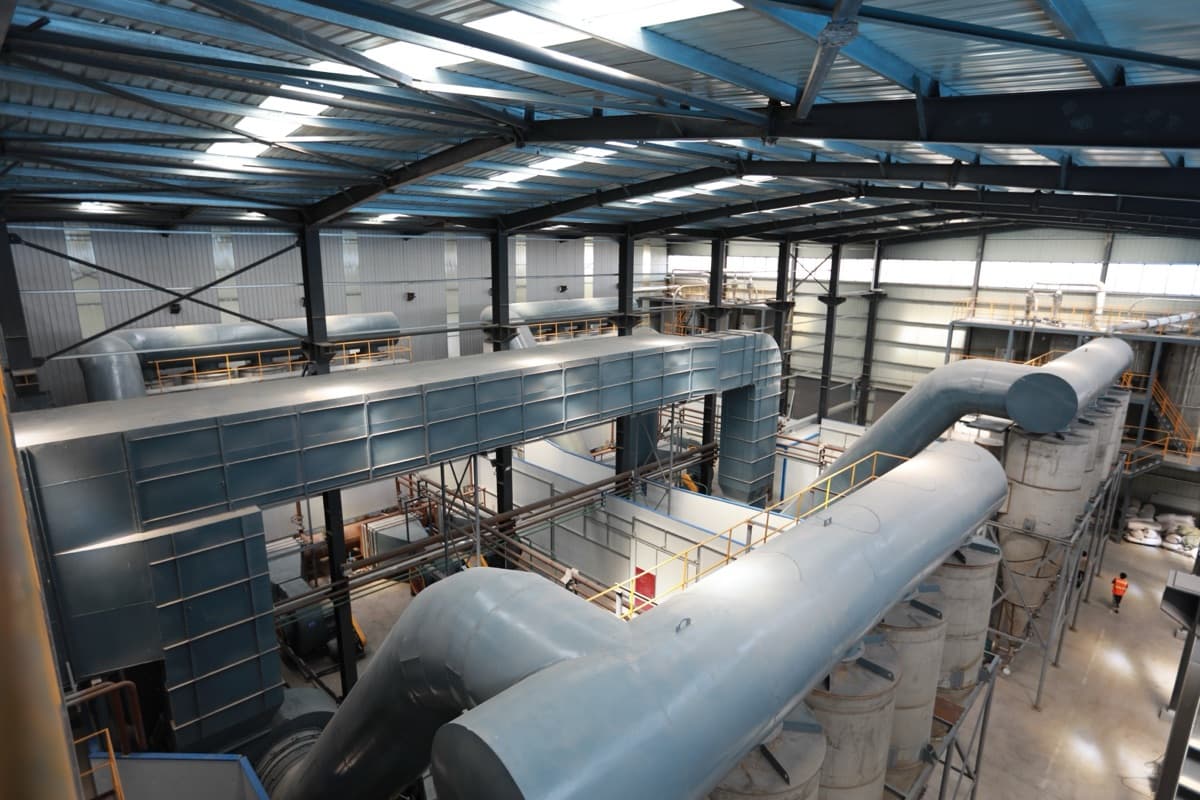
Production line: machinery and processing equipment
Factory Basics
- Manufacturer identity — Confirm the legal company, factory location, and who issues the product documents.
- Production scope — Check whether the factory actually makes the PAM grades you want to compare.
- Quality routine — Ask how the factory handles in-process checks, batch records, and retained samples.
- Buyer verification path — A real manufacturer should be able to support video checks, documents, sample review, or a third-party audit when needed.
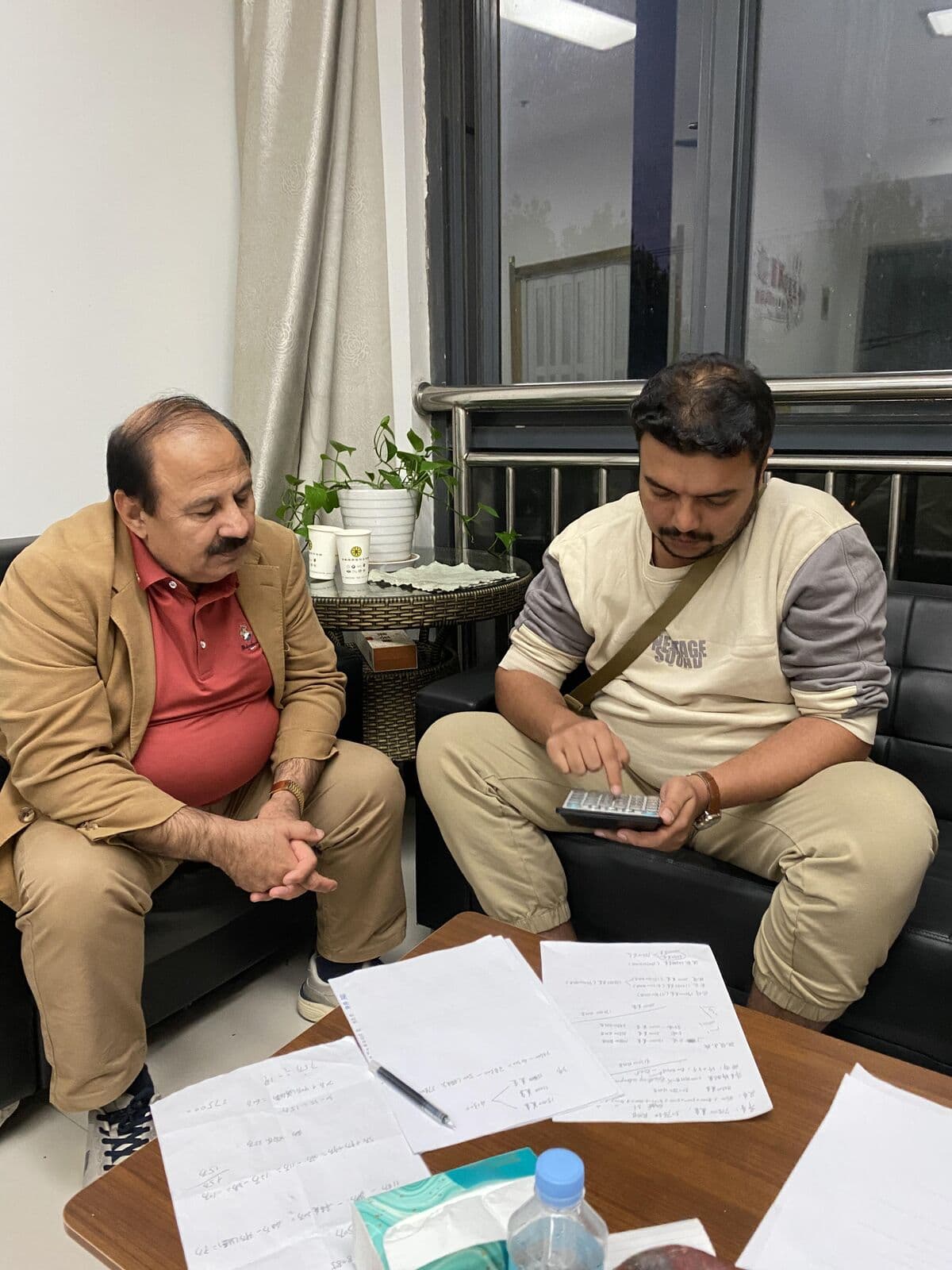
Quality control: laboratory testing and batch verification
Quality Control System
- In-process monitoring — Real-time temperature control during polymerization. Ask to see their control charts.
- Batch testing — Every batch tested for molecular weight, solid content, dissolution time, residual monomer. Request a sample COA.
- Retained samples — They keep 200-500g from every batch for 12-24 months. This allows comparison if you have a problem.
- Third-party testing — Do they use independent labs for verification? This is a sign of confidence in their product.
Documents & Compliance
- Quality-management records — document control, traceability, and corrective-action records.
- Environmental records — waste handling and discharge-control evidence.
- Safety-management records — occupational health and plant safety evidence.
- Regulated-use document review — for potable-water, food-processing, or other document-sensitive PAM orders.
Buyers whose procurement checklist now includes supply-chain emissions can see which of these documents actually support that review in our PAM carbon footprint procurement guide.
Export Experience
- Application familiarity — Ask whether the supplier understands your wastewater, sludge, mining, paper, or oilfield use case.
- Document handling — Confirm who prepares the TDS, batch COA, SDS, and shipment paperwork for your order.
- Commercial clarity — Check whether FOB or CIF scope, payment terms, and lead time are explained before you approve the order.
- After-sample support — A reliable exporter should help connect your sample result to the bulk-order grade and packaging plan.
Why We Stand Out
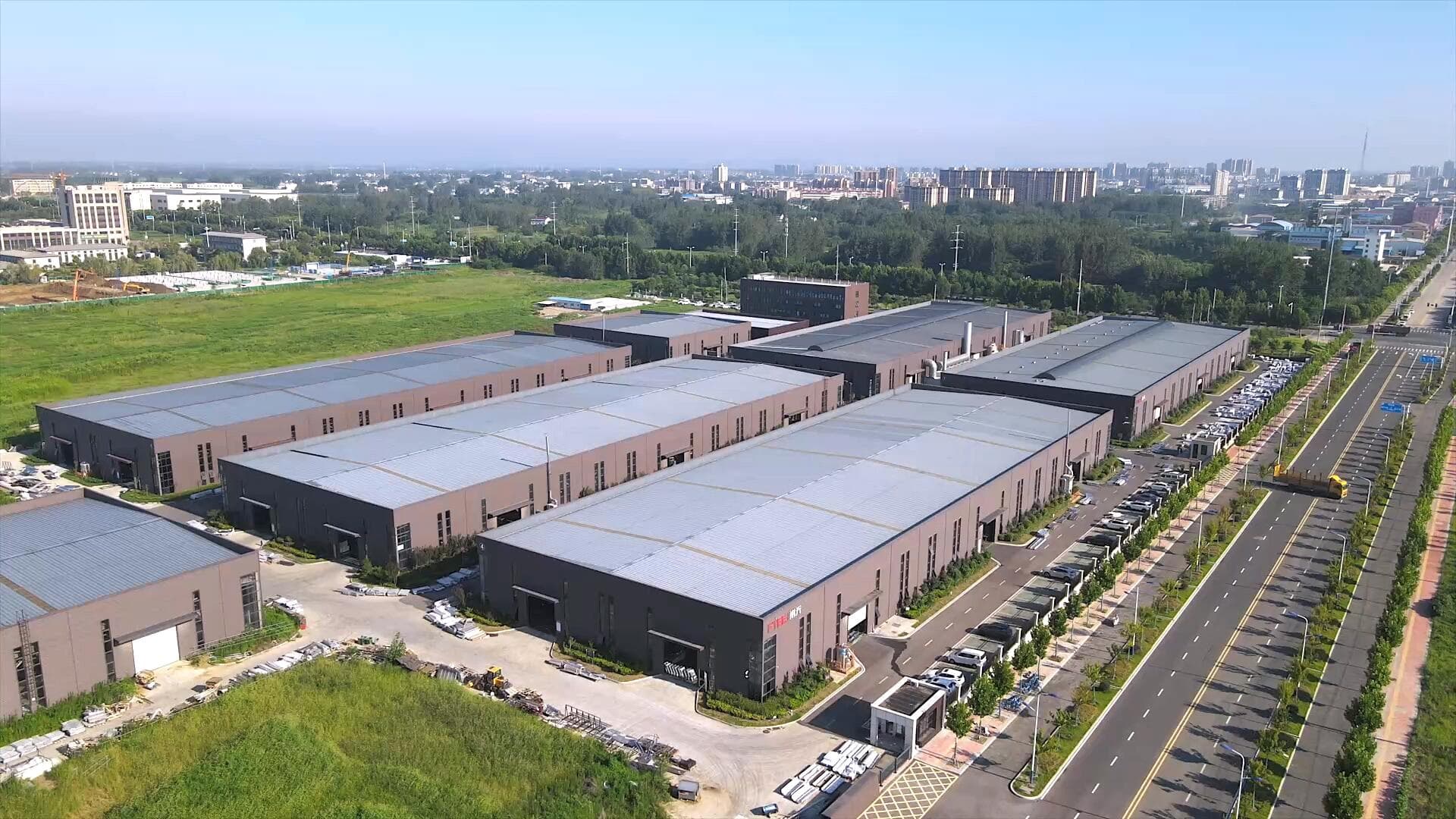
We are a PAM manufacturer in Xinxiang, Henan, and ChinaPAM is the export brand for our own Henan PAM factory. Here is what sets us apart:
- Own factory base — Factory-direct quotation and grade selection instead of trader-only sourcing.
- Production and lab support — The team can review water, sludge, slurry, pH, TSS, and target results before recommending a starting grade.
- Batch documents — TDS, COA, and SDS can be prepared by confirmed product grade and batch.
- Full polymer range — APAM (6-28M MW, 0-45% hydrolysis), CPAM (6-20M MW, 5-70% charge), NPAM, and emulsion grades. We manufacture flocculants only and do not supply coagulants, but we will help you match the polymer to whichever coagulant you dose — see our polyDADMAC coagulant guide for how the pairing works.
- Customization — We adjust molecular weight and charge density to match your specific application.
- Buyer documents — Regulated-use documents must be confirmed in writing before order; public claims stay tied to available documents.
- Export support — We support buyers in India, Indonesia, the Middle East, South Africa, and Australia with quotation, documents, and shipment coordination.
- Practical lead time — Common-grade lead time is usually 7-10 days after order confirmation.
- Technical support — Sample testing support, dosage discussion, and application-focused follow-up before bulk approval.
Need PAM for your project?
Free sample + jar test report. WhatsApp: +86 187-3759-0940
Factory Audit Checklist
If you can visit the factory or hire a third-party auditor, here is what to verify on-site. Most reputable suppliers are fine with all of this — pushback on any single item is a yellow flag, on multiple items it is a red flag.
| Audit Area | What to Check | What Good Looks Like |
|---|---|---|
| Production capacity | Number and size of polymerization reactors | Visible active production equipment, clear process flow, and records that match the quoted product scope |
| QC laboratory | Equipment list and calibration records | A working lab setup, test records, and a buyer-facing explanation of how the supplier verifies each batch |
| Retention sample storage | Physical sample library with batch numbers | Traceable retained samples or equivalent batch-reference records tied to production documents |
| Raw material storage | Acrylamide monomer source and storage | Clear raw-material control, storage discipline, and traceability from incoming materials to finished batches |
| Wastewater treatment | On-site WWTP for production effluent | Environmental controls and supporting records that can be shown during buyer review |
| Worker safety | PPE use, ventilation in mixing areas | Visible safety controls, worker protection, and consistent operating discipline in production areas |
| Packaging line | Auto-bagging vs hand-filled, label printing | A packaging setup that matches the quoted bag format, labeling scope, and shipment plan |
| Documentation | Batch records, COA archive, customer files | Consistent document control from inquiry and sample review through shipment and batch paperwork |
| Export team | Documentation experience, shipping records | Clear ownership for export documents, shipment coordination, and buyer follow-up |
| Engineering support | Technical staff and field application capability | A supplier who asks about your process and supports grade selection, jar tests, and troubleshooting |
Document Comparison
Different documents cover different things. Here is what each one actually means and when it matters for your purchase decision.
| Document | Scope | Required For |
|---|---|---|
| Quality-management record review | Quality management system | Baseline for all serious manufacturers |
| Environmental record review | Environmental management | Buyers with sustainability/ESG reporting |
| Safety-management record review | Occupational health and safety | Buyers verifying ethical supply chains |
| Potable water documentation | Drinking water treatment chemicals | Mandatory for potable water utilities in US/Canada/many other jurisdictions |
| REACH (EU) | Chemical registration in European Union | Required for any sale into EU market |
| Buyer-required food-processing document | Exact document scope depends on buyer and destination market | Food/beverage processing buyers with specific document requirements |
| Buyer-required market document | Exact document scope depends on buyer and destination market | Food/beverage applications with named document requirements |
| Buyer-required regulatory document | Document-sensitive indirect contact or regulated-use projects | PAM used in sugar processing or potable-water projects when required |
| SGS / Bureau Veritas inspection | Per-shipment third-party verification | L/C requirements, government tenders, large contracts |
A reputable Chinese PAM supplier should provide batch COA, SDS, and traceability documents as standard. Regulated-use documents are normally tied to specific grades and batches, not the full product line. If a buyer requires food-processing, EU, or other regulated-use documents, confirm the document name and batch scope before ordering.
Red Flags When Visiting Chinese Factories
Beyond the documentation checks above, here are things that indicate something is off when you walk a Chinese PAM facility:
- Reactors look idle on a workday — A factory claiming large active capacity should have visible production activity on a normal weekday. If everything is "between batches," they may be a trader rebranding outside production.
- No smell of chemicals near AM monomer storage — AM has a faint odor when handled. A spotless area with no chemical scent might mean they are not actually storing or using monomer there.
- Only one product on the shelves in QC lab — Real factories test the products they make. If their lab only has one or two test setups, they are not running batch QC on multiple grades.
- Workers without PPE around polymerization area — Either the workers are not actually production staff (e.g., decorative for the visit) or safety culture is genuinely absent. Both are bad signs.
- Office with multiple "brand" logos on the wall — Trader behavior. Real manufacturers brand their own products.
- Refusing to show you specific lots from the warehouse — Reputable suppliers can pull any lot from inventory and show you batch documentation. Reluctance suggests they are pulling from generic stock.
- "Our QC equipment is being calibrated today" — Plausible once. If you visit twice and hear it twice, the equipment may not exist or may not work.
- Pressure to sign on-site — Legitimate factories know complex purchases take time. High-pressure sales tactics at a factory visit suggest revenue pressure, often associated with quality compromises.
- No environmental permits visible at office reception — In China, manufacturing licenses and environmental discharge permits are usually displayed at reception. Their absence may indicate the factory is operating informally.
FAQ: Sourcing from Chinese Manufacturers
How do I tell a real manufacturer from a trader?
Start with three practical checks: confirm the legal company behind the quote, confirm who issues the TDS/COA/SDS for the offered grade, and ask for factory evidence that matches the quoted product scope. A reliable supplier should also answer technical questions about your application before pushing price alone.
What is a fair price gap between manufacturers and traders?
There is no single safe markup rule. The better check is whether competing suppliers are quoting the same grade scope, packaging, document path, and shipment terms. A very low quote without clear technical alignment usually signals mismatch, not savings.
How important is geographic proximity to a port?
It matters, but it should be reviewed inside the full shipment plan rather than used as a shortcut. Ask which port the supplier expects to use, how the goods will be packed, and whether the lead time still fits your order once production and inland transport are included.
Should I ask for free samples or pay?
For ChinaPAM, free samples are part of the confirmed public baseline. Use the sample step to verify grade fit and document quality before the trial order, and confirm any shipping arrangement directly in the quote.
How long should a quality dispute take to resolve?
Ask for the supplier's dispute-handling path before you buy: who reviews the batch, what reference documents are checked, and how sample or batch comparison is handled. The key issue is traceability and response discipline, not a generic promise.
What happens during Chinese New Year shutdown?
Seasonal shutdowns can affect production and shipping, so buyers should reconfirm the production calendar and dispatch plan for orders near major holidays. Do not assume the same lead time applies in every seasonal window.
Why a Factory Audit Can Change the Buying Decision
For annual contracts or regulated-use projects, a factory audit often matters more than a polished quotation. The goal is simple: verify that the supplier behind the quote actually controls the production, documentation, and quality path being promised.
The main purpose of the audit is to reduce mismatch risk before the first large shipment. Buyers should verify manufacturer identity, batch-document ownership, packaging capability, and whether the supplier's technical answers match the real factory process.
How to Place Your First Order
Here is the typical process:
- Send inquiry — Describe your application, process conditions, target result, quantity, and destination.
- Review the quote scope — Confirm MOQ, lead time, packaging, payment method, and the grade-specific document path.
- Request free samples — Use the sample step to verify grade fit before the trial order.
- Run jar tests — Test the sample in your water or process and compare results with the recommended grade path. Use our jar test procedure if needed.
- Place the trial order — For ChinaPAM, the confirmed public baseline is MOQ 500 kg for standard trial orders.
- Confirm production and shipment — Common grades usually ship in 7-10 days after order confirmation, with TDS, batch COA, and SDS available by confirmed grade and batch.
Pricing Factors
PAM price depends on:
- Molecular weight and charge — the right range depends on your water, sludge, slurry, and process equipment. See our molecular weight guide and charge-density guide.
- Product form — powder, emulsion, and specialty grades should be compared only after the process requirement is clear.
- Order volume and shipment plan — trial orders, repeat orders, and bulk orders are not quoted the same way.
- Packaging and OEM labels — export bag type, palletizing, and label scope affect the final commercial setup.
- Document scope — batch-document review, buyer-required approvals, and any special compliance checks should be confirmed before price comparison.
Ready to Source from China?
Contact us on WhatsApp at +86 187-3759-0940 or request a quote online. Describe your application and we will recommend the right grade and provide a sample for testing.
First-order MOQ: 500 kg. Common-grade lead time: 7-10 days after order confirmation. TDS, batch COA, and SDS are available by confirmed grade and batch.
Get a Quote
ChinaPAM is the export brand for our own Henan PAM factory. If you need a quote, send the application, target result, order quantity, destination port, and any document or OEM-label request first. Contact us for pricing and free samples:
- WhatsApp: +86 187-3759-0940
- Email: info@chinapolyacrylamide.com
Recommended Product Grades
For the application discussed above, these are the polyacrylamide grades we ship most often:
Not sure which is right for you? Try our PAM Selector tool or request a quote.
Standards Note
Before a repeat or annual contract, buyers should verify traceability, document control, and how the supplier handles sample-to-bulk consistency.
Production-site verification is usually more reliable than brochure claims alone, especially for buyer-document and batch-consistency checks.
Related Guides
Standards Note
Before a repeat or annual contract, buyers should verify traceability, document control, and how the supplier handles sample-to-bulk consistency.
Per ISO 9001 supplier evaluation practice, production-site verification is more reliable than brochure claims alone, especially for batch-consistency and buyer-document checks.
Per REACH regulation (EC 1907/2006), Chinese exporters supplying EU-bound goods are responsible for providing accurate SDS and substance declarations for polyacrylamide and any co-polymer additives.