Printing Wastewater
Treatment of textile printing paste wastewater containing high-viscosity thickeners, pigments, and binders. Specialized flocculation breaks emulsions and removes color.
PAM for Textile Printing Wastewater
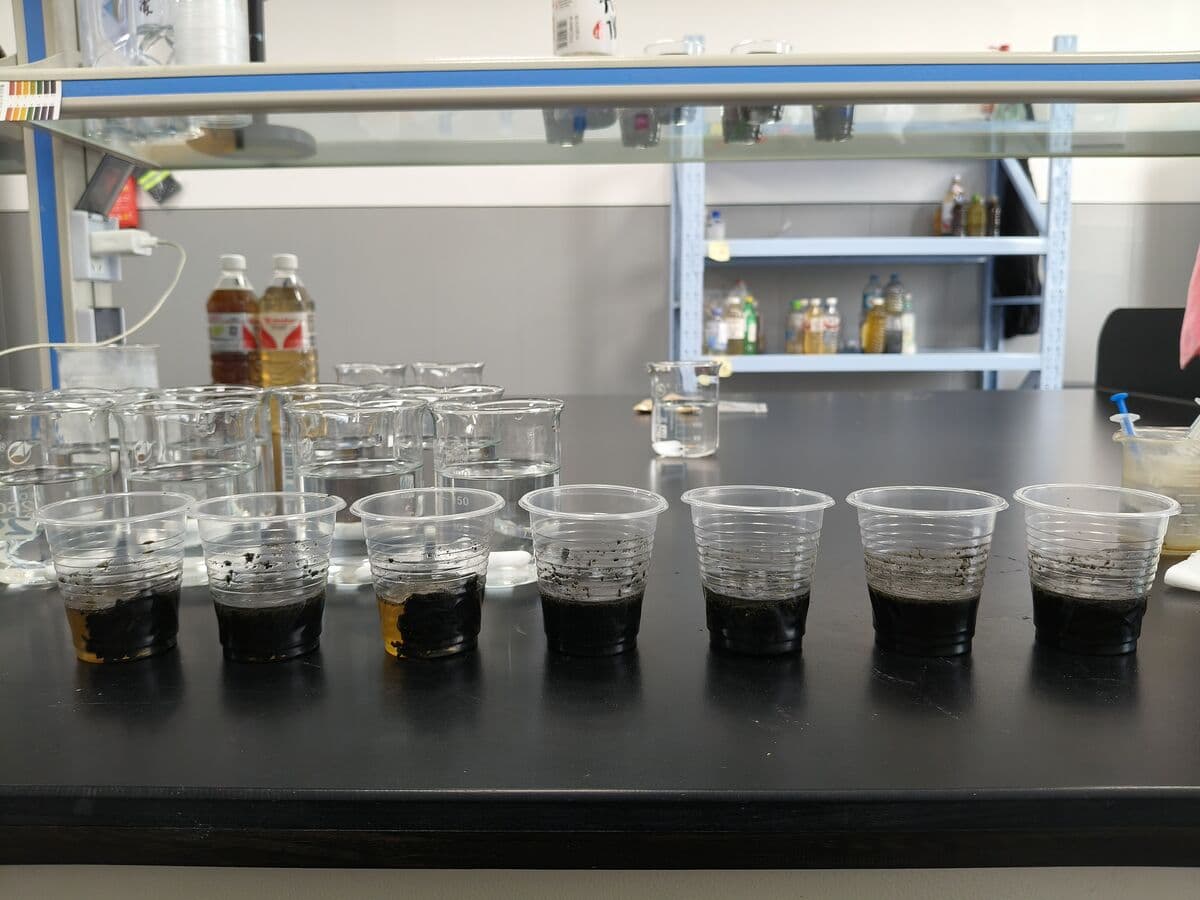
Textile printing wastewater is one of the harder effluents to treat with polymer alone, and understanding why is more useful than a starting dose. Printing paste contains pigments stabilised as colloidal dispersions, synthetic binders as emulsions, and thickeners — sodium alginate, starch, or synthetic — that raise viscosity and slow settling. The flocculant has to work against all of those simultaneously, and which one limits performance depends on which paste system the mill runs.
The practical consequence is that no reference dose transfers between mills without a jar test, and often not between print runs at the same mill when the paste system changes. We supply anionic and cationic grades for both the clarification and the sludge dewatering side from our own plant in Xinxiang, Henan, with 100,000 tons/year of documented PAM capacity, and batch documentation for every consignment.
What Is Actually in the Effluent
Four constituents make up printing paste wastewater in different proportions depending on the paste system, and each one presents a different challenge to flocculation.
| Constituent | Typical COD contribution | Why it is hard |
|---|---|---|
| Pigment colloids (reactive and disperse) | High colour, moderate COD | Stabilised with surfactants; coagulant must neutralise the surfactant layer before polymer can bridge |
| Synthetic binders (acrylic emulsions) | High COD, turbidity | Oil-in-water emulsion; needs emulsion breaking — coagulant stage or pH shift — before settling |
| Thickeners (alginate, starch, synthetic) | Moderate-high COD | Raise viscosity of the whole water, slowing settling and reducing effective floc size; biologically degrade in basin |
| Fixing agents, softeners, finishes | Low-moderate COD | Cationic finishing agents can neutralise anionic PAM before it reaches the target particles |
The combination that causes most treatment failures is a cationic fixing agent in the wash that consumes anionic polymer before it does any work, combined with a viscous thickener phase that slows settling regardless of floc size. Running a 0.45-micron filtered COD split tells you what fraction of the load is particulate (potentially removable by flocculation) and what fraction is dissolved (not). The particulate fraction sets the realistic upper bound on what polymer can achieve. If 70% of your COD is dissolved alginate, flocculation will move COD 30% at best and the rest has to go to biological treatment.
Why Sequence Matters More Than Grade
The treatment sequence for printing wastewater is coagulant first, then polymer, and the order is not negotiable. Reversing it wastes both chemicals and produces a result worse than either alone.
The coagulant — polyaluminium chloride, ferric chloride, or for pigment-heavy streams a decolouriser such as polyDADMAC — does two things: it neutralises the surface charge on pigment colloids and breaks the surfactant stabilisation around binder emulsion droplets, allowing them to approach and aggregate. Until that step is done, polymer is bridging particles that are still electrostatically repelling each other. The result is a haze of micro-flocs that won't grow and won't settle.
Once coagulation has produced a visible micro-floc, a high molecular weight anionic or non-ionic PAM bridges those micro-flocs into aggregates large enough and dense enough to settle in 30-60 minutes rather than hours. The right coagulant dose is the one that just destabilises the colloids — excess coagulant can restabilise the suspension in the opposite charge direction, and then polymer overdoses without helping. Our polyDADMAC guide covers the decolouriser side, and the difference between these two stages is set out in our PAM versus other polyelectrolytes comparison.
Grade and Dose Selection
| Duty | Grade | Typical dose | Notes |
|---|---|---|---|
| Clarification — pigment and reactive dye wastewater | Anionic, 12-18M MW, 20-30% hydrolysis | 3-8 g/m³ after PAC or FeCl₃ | Coagulant first; polymer dose rises with cationic finishing agent content |
| Clarification — disperse dye and binder emulsion | Non-ionic, 10-15M MW | 4-10 g/m³ after emulsion break | Non-ionic less affected by cationic consumption in the water |
| Colour removal — concentrated pigment or reactive stream | Cationic decolouriser (polyDADMAC) then anionic PAM | 20-60 g/m³ decolouriser, 3-6 g/m³ PAM | Decolouriser is the colour-removing agent; PAM aggregates the precipitate |
| Sludge dewatering — filter press or centrifuge | Cationic, 8-12M MW, 30-50% charge | 2-6 kg/t dry solids | Printing paste sludge is gelatinous; higher charge density helps where thickeners dominate |
Grade specifications are on our anionic polyacrylamide and cationic polyacrylamide pages. Textile wastewater in broader context — including desizing and dyeing streams — is covered in our PAM for textile wastewater guide.
Colour Removal: What PAM Does and Does Not Do
PAM removes colour indirectly — by aggregating the particles that carry it — not by adsorbing or destroying colour molecules. That distinction matters because it sets the ceiling on what flocculation can achieve.
Particulate colour (pigment prints, some disperse dyes) is attached to particles and leaves with the floc. Colour removal and turbidity removal track each other, and a well-run clarifier achieves 80-90% colour reduction on these streams.
Dissolved colour (reactive dyes, hydrolysed at fixation, soluble in wash water) passes through a clarifier regardless of polymer dose, because it has no surface to bridge to. A reactive dye print discharge can look almost clear in turbidity and be deeply coloured in apparent colour, and no amount of PAM changes that. Decolourisers such as polyDADMAC precipitate dissolved reactive dye by charge interaction; the precipitate is then removed with PAM. That is a two-chemical process and the polymer is doing the second step, not the first.
Knowing which you have changes the jar test objective. If the filtrate of a 0.45-micron-filtered sample is still highly coloured, you have dissolved dye and need a decolouriser upstream, not more polymer.
Worked Example: Pigment Print Washdown
Modelled from published pigment printing practice and typical treatability data — not a delivered project. Take a discharge from screen-print washdown in a pigment paste system: raw water at 400-600 Pt-Co colour, 800-1200 mg/L COD, turbidity 300-500 NTU, with acrylic binder as the dominant COD contributor.
Stage one: polyaluminium chloride at 80-120 mg/L, pH adjusted to 6.5-7.5, 2-3 minutes rapid mix. Stage two: anionic PAM at 5-8 g/m³, 10-15 minutes gentle flocculation, 30-45 minutes settling. Expected result: colour 50-80 Pt-Co, COD 300-400 mg/L, turbidity under 30 NTU.
The COD reduction is partial because the dissolved acrylic binder fraction passes through with the water and requires biological treatment downstream. Colour is largely removed because most of the pigment is particulate. Sludge volume from this treatment is roughly 25-40% lower than coagulant alone, because PAM produces denser, better-draining flocs. The dewatered cake from a filter press at 3-4 kg CPAM per tonne of dry solids reaches 25-35% solids content, which hauls as solid waste.
Substitute your own effluent characteristics and disposal rates. The chemistry will be directionally correct but the absolute numbers depend on paste system, wash efficiency, and which dye class the mill runs.
Dosing Practice
- Run the 0.45-micron filtered COD split first. It tells you what fraction of load is removable by flocculation and what is dissolved. If dissolved fraction dominates, no polymer optimisation will meet a COD consent — you need biological treatment or a decolouriser stage upstream.
- Jar test each paste system, not just each mill. A mill switching from alginate thickener to synthetic thickener, or from reactive to pigment paste, changes the treatability enough to invalidate the existing dose. Re-test when the paste system changes.
- Match coagulant to the dominant stabiliser. PAC and ferric work on charge neutralisation; polyDADMAC works better where dissolved reactive dye precipitation is the main goal. Using PAC on a dissolved reactive dye stream gives you turbidity removal and almost no colour removal.
- Dose polymer after coagulant has mixed in, not simultaneously. The coagulant needs 30-60 seconds of rapid mix to hydrolyse and neutralise charge before polymer is added. Simultaneous dosing puts polymer into a suspension that has not yet destabilised.
- Allow adequate flocculation time before settling. Printing paste flocs are often lighter and more gelatinous than mineral flocs. They need 10-20 minutes of gentle agitation to grow to settleable size. Short-circuiting the flocculation chamber is the most common reason a correctly dosed system produces turbid clarified water.
- Test dewatering polymer on the actual sludge, not the clarifier feed. Printing paste sludge differs from the raw effluent — it is concentrated and thickener-rich, and the cationic grade that works on municipal sludge often needs adjustment here. We test every batch for molecular weight to a ±0.5M tolerance and retain samples for 24 months, so if performance shifts we can compare your drum against the retained sample and separate a product issue from a paste system change.
Make-down detail is in our PAM dissolving guide, and the jar test protocol is in our jar test guide.
Standards and Reference Bodies
- APHA, AWWA and WEF — Standard Methods for the Examination of Water and Wastewater, the source for COD, colour (ADMI, Pt-Co), turbidity and suspended solids analyses used to evaluate treatment performance and consent compliance.
- ASTM International — test methods for colour in water (ASTM D1209 Pt-Co) and COD measurement.
- ISO — ISO 7887 for water colour measurement; ISO 6060 for COD; relevant in markets where effluent consents reference ISO methods rather than Standard Methods.
- ZDHC MRSL — the Zero Discharge of Hazardous Chemicals Manufacturing Restricted Substances List. Brands sourcing from mills enrolled in ZDHC may require that treatment chemicals, including coagulants and flocculants, are on the MRSL conformance list. Confirm with your brand partner before specifying a decolouriser or coagulant.
- Your local environmental regulator — binding on colour, COD, pH, and any metal limits specific to your discharge consent.
Frequently Asked Questions
Why does my clarified water still have colour after PAM treatment?
Almost certainly dissolved dye. PAM removes colour attached to particles; dissolved reactive dye molecules pass through a clarifier regardless of polymer dose. Filter a sample through 0.45 microns and check the filtrate colour. If it is still deeply coloured, the colour is dissolved and needs a decolouriser (polyDADMAC, coagulant at higher pH) to precipitate it before PAM can aggregate and remove it.
Do I need to use a cationic polymer instead of anionic for printing wastewater?
Usually not for the clarification stage. Anionic PAM bridging behind an inorganic coagulant is the standard and works well on pigment and binder streams. Where people switch to cationic is on concentrated dissolved reactive dye, because cationic polymers (polyDADMAC) precipitate dissolved anionic dye by direct charge interaction. That role is a coagulant function, not a bridging function. For sludge dewatering, cationic is almost always needed.
Why is my sludge very gelatinous and hard to press?
Thickeners, particularly sodium alginate and starch-based paste thickeners, retain water tenaciously in the floc structure. The fix is a higher charge density cationic grade on the sludge, a longer dewatering time at lower pressure before the final press cycle, and confirming that the sludge is pre-thickened to the highest practical solids concentration before it enters the press — thin sludge produces more filtrate volume and wetter cakes regardless of polymer.
Can the treated water be reused in the print room?
Rarely for direct reuse in paste or print machine rinse, because trace dissolved dye and residual chemistry interfere with colour consistency. Reuse for general site purposes — cooling, cleaning, outdoor areas — is usually possible if COD and colour are within the relevant limit. The residual polymer in correctly dosed clarified water is at levels that do not interfere with most reuse applications, but confirm with your plant manager rather than assuming.
The dose that worked last month is failing consent this week. Why?
Paste system change. Printing paste composition varies by job, and a shift from one dye class or thickener to another can change the treatability substantially. If the mill has changed paste supplier, dye type, or thickener, re-run the jar test. If nothing changed on the mill side, check the coagulant first — coagulant performance is more sensitive to pH shift than polymer performance, and a pH drift of half a unit can explain the whole change.
Printing Wastewater is one of several textile & dyeing processes we supply polyacrylamide for. For grade selection across the full textile & dyeing scope — including MOQ, samples, and quality documents — see PAM for Textile & Dyeing.
Recommended Products
Other Textile & Dyeing Solutions
Related Articles
Polyacrylamide for Water Treatment: The Complete Buyer's Guide (2026)
Complete guide to polyacrylamide (PAM) for water treatment. Covers anionic, cationic, and nonionic PAM selection, dosage ranges, application scenarios, supplier selection, and cost optimization for every major water treatment sector.
Water TreatmentPolyacrylamide for Food Processing Wastewater: Dosage
Select and dose polyacrylamide for slaughterhouse, beverage, starch and dairy wastewater: dosage tables by stream, cost per m3, DAF and clarifier notes.
Water TreatmentPAM for Sand Washing: Dosage, Settling, and Water Recycling
How to use anionic PAM for sand washing wastewater treatment. Dosage vs turbidity data, grade selection, water recycling system design, and cost analysis from 130+ sand plant samples.
Water TreatmentPAM for Livestock Wastewater: Pig Farm, Poultry & Dairy
Cationic PAM selection and dosing for livestock wastewater from pig farms, poultry operations, and dairy facilities. Jar test data, system design, sludge dewatering, and cost analysis.
Paper IndustryPAM for Paper Mill Wastewater: Treatment Guide
How paper mills use PAM for primary/secondary clarification and sludge dewatering. Fiber recovery, fines removal, and water recycling case studies.
Product GuideBuy Cationic PAM (CPAM) Bulk: Wholesale
Complete guide to cationic PAM for sludge dewatering and wastewater treatment. Covers charge density selection, bulk pricing, and application methods.
Ready to Optimize Your Printing Wastewater Process?
Send us your process parameters — we'll provide a free product recommendation with dosage calculation.