CPAM High Charge Density
High charge density cationic polyacrylamide is our best-selling product for sludge dewatering. With 25-70% cationicity and 12-20 million MW, it neutralizes negatively charged sludge particles effectively, producing dry, compact filter cakes on belt presses and centrifuges.
Specifications
| Type | Cationic |
| Molecular Weight | 12–20 million Da |
| Charge Density | 25-70% |
| Solid Content | ≥90% |
| Dissolving Time | ≤90 min |
| Residual Monomer | ≤0.05% |
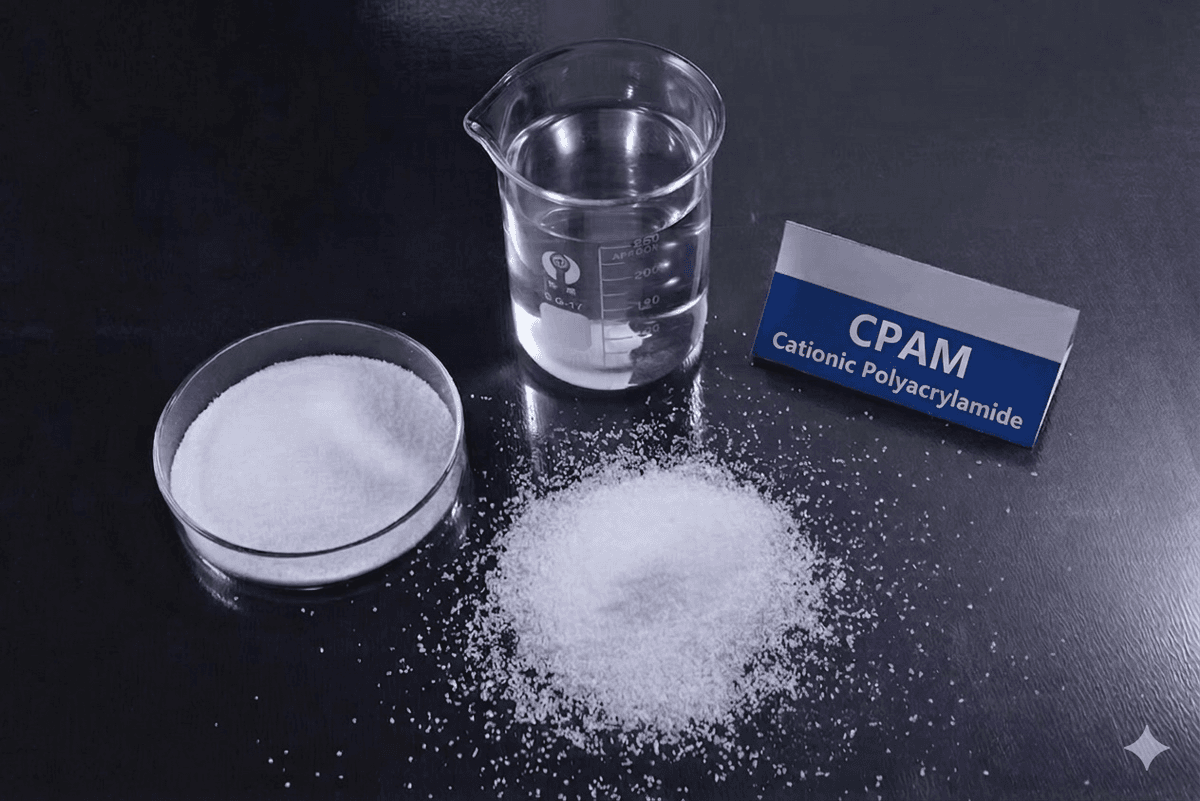
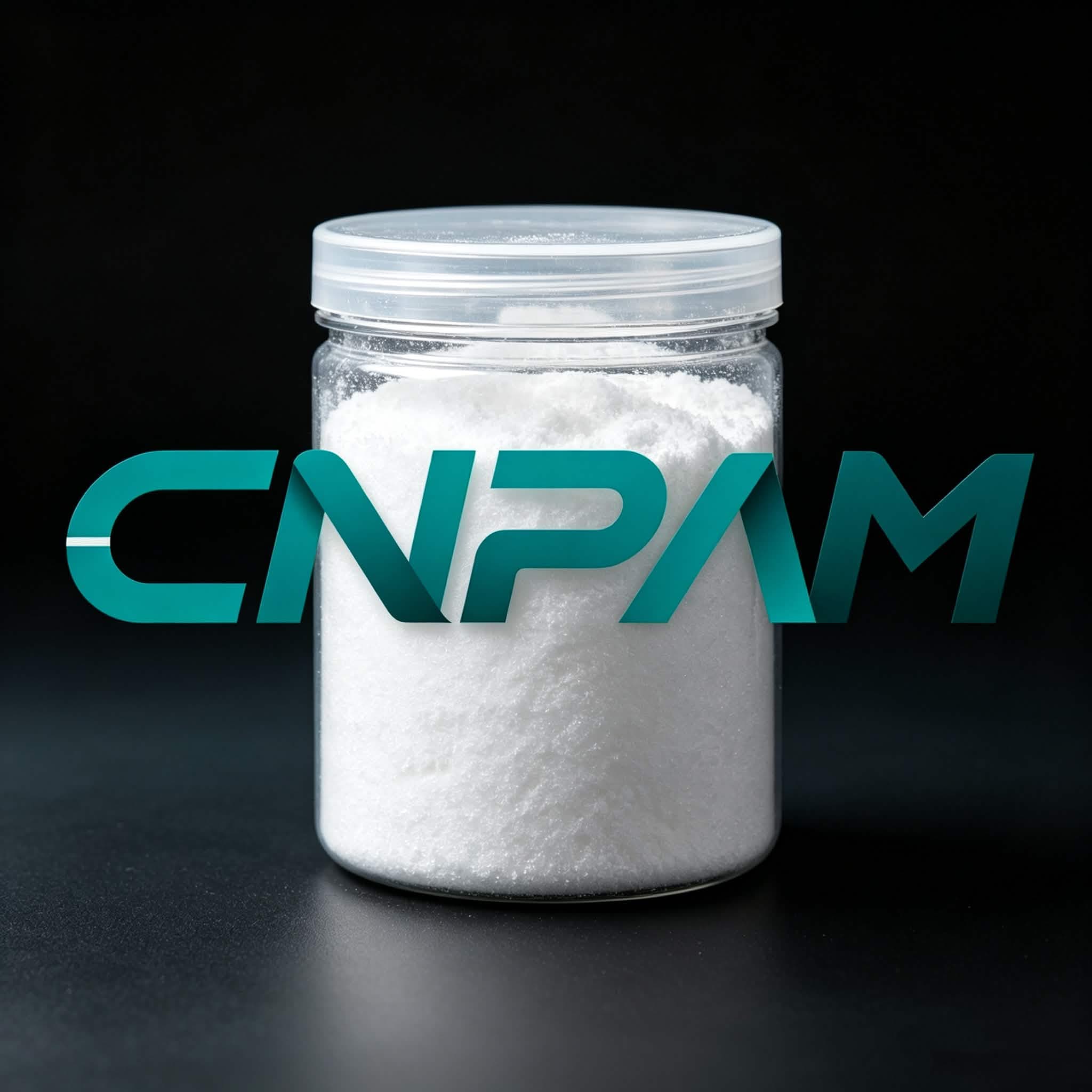
| Appearance | White granular powder |
| Packaging | 25 kg PP woven bags + Kraft paper |
Key Features
- Superior sludge dewatering — cake moisture <80%
- Low dosage: 2–5 kg per ton dry solids
- Rapid dissolution in 60 minutes
- Stable in pH 6–9
Applications
- Municipal sludge dewatering (belt press, centrifuge)
- Industrial sludge treatment
- Sewage treatment plants
- Food processing waste
Related Articles
Brand Equivalents & Replacements
Our CPAM High Charge Density is a tested replacement for these international brands. Free samples available for side-by-side comparison.
| Brand | Grade | Notes |
|---|---|---|
| SNF | FLOPAM FO 4490 | Equivalent 40–50% cationicity for bio-sludge |
| NALCO | NALCO 71303 | Belt press application, similar dosage |
| Kemira | Superfloc C-492 | Comparable charge density for municipal WWTP |
| Solenis (ex-BASF) | Zetag 8160 | Published as medium-high charge / high MW cationic powder |
| Solenis (ex-BASF) | Zetag 8180 | Published as high charge / high MW cationic powder |
Need a replacement for a different grade? Contact us with your current product specs.
Dosage Guide
2–5 kg per ton dry sludge solids for belt press; 3–8 kg/t DS for centrifuge.
Frequently Asked Questions — CPAM High Charge Density
How to choose charge density for my sludge?
Run a CST (Capillary Suction Time) test. Generally: organic sludge (WAS) needs 40–60% charge; mixed sludge 25–40%; primary sludge 15–25%. Higher volatile solids = higher charge needed.
Belt press vs centrifuge — different product?
Same product, different MW preference. Belt press works well with 12–15M MW; centrifuge benefits from higher MW (15–20M) for stronger flocs that resist shear.
Can it replace Magnafloc LT-7989?
No, and it is worth being precise about why. The Magnafloc LT 79xx grades are polyamine and polyDADMAC based liquid coagulants, not polyacrylamides, so matching them to a CPAM grade is a chemistry error rather than a close approximation. We do not currently supply the polyamine line. If you are running LT-7989 today, tell us the duty and we will say honestly whether we have anything that fits. Our Zetag and Magnafloc cross-reference guide on the blog sets out what is and is not published for that range. For Zetag, which is a cationic polyacrylamide, this grade is a genuine candidate.
What is the shelf life?
2 years in sealed original packaging stored in cool, dry conditions. Once dissolved, use within 24 hours for full effectiveness.