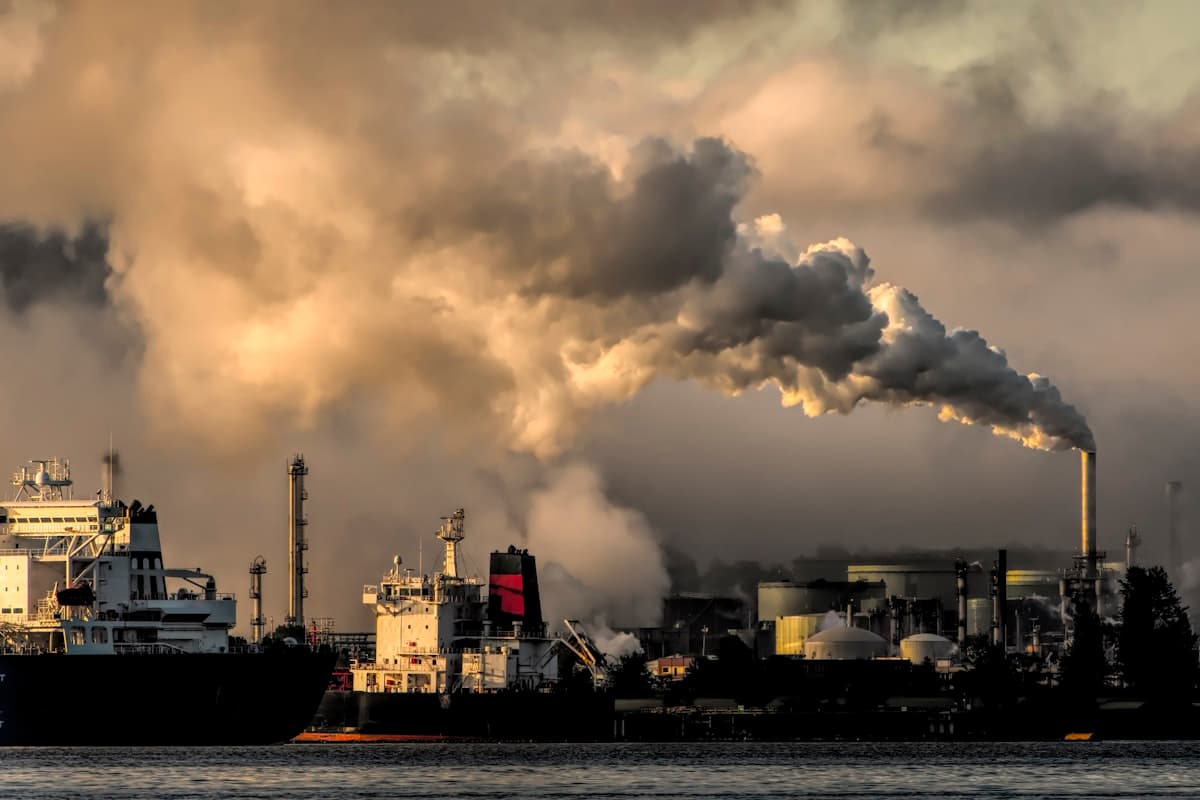
Coal washing generates massive volumes of turbid wastewater — a coal preparation plant processing 1,000 tons/day produces 2,000-3,000 m³ of wastewater. Without PAM-based water recycling, plants must discharge this water (environmental violation) or consume enormous amounts of fresh water. We supply coal-grade PAM to coal preparation plants across Asia, Australia, and Africa.
Coal Washing PAM: Quick Reference
| Coal Type | Particle Size | PAM Grade | Dosage | Settling Time |
|---|---|---|---|---|
| Thermal coal (bituminous) | 50-500 microns | APAM 12-18M MW | 3-8 ppm | 30-60 min |
| Coking coal (anthracite) | 20-200 microns | APAM 15-25M MW | 5-15 ppm | 1-3 hours |
| Lignite (brown coal) | 100-1000 microns | APAM 10-15M MW | 2-5 ppm | 20-40 min |
Coal Slurry Characteristics
Coal washing produces a slurry of coal fines (particles <500 microns) suspended in water. The slurry contains:
- Coal particles (negatively charged)
- Clay minerals (kaolinite, illite — negatively charged)
- Silica (negatively charged)
- Organic matter from coal
All these particles carry negative surface charge and repel each other, staying suspended indefinitely without treatment. Settling time without PAM: 7-14 days. With PAM: 30 minutes to 3 hours depending on particle size.
For projects like this, our NPAM designed for mining delivers consistent results with factory-direct pricing.
We supply medium molecular weight APAM specifically formulated for this application — tested and proven at scale.
How PAM Works in Coal Washing
Anionic PAM (APAM) works through polymer bridging. The long polymer chains (12-25 million molecular weight) adsorb onto coal and clay particle surfaces, then bridge between multiple particles. The resulting flocs are 100-1000x larger than individual particles and settle rapidly.
Why APAM for coal? Coal particles are negatively charged, so cationic PAM would seem logical. But in practice, APAM works better because:
- Coal particles have high surface area — bridging is more effective than charge neutralization
- APAM produces larger, more open flocs that settle faster
- APAM is cheaper than CPAM
- APAM works across the pH range (6-9) typical of coal washing water
Dosage by Coal Type
Dosage depends on coal type, particle size distribution, and clay content:
- Thermal coal (bituminous) — 3-8 ppm APAM (12-18M MW). Coarser particles settle quickly. Target: turbidity <100 NTU for recycling.
- Coking coal (anthracite) — 5-15 ppm APAM (15-25M MW). Fine particles need higher MW for effective bridging. Target: turbidity <50 NTU.
- Lignite (brown coal) — 2-5 ppm APAM (10-15M MW). Coarser particles, lower clay content. Target: turbidity <150 NTU for recycling.
Always run settling tests with your actual coal washing water before committing to a grade. Coal mineralogy varies by mine and significantly affects PAM performance.
Water Recovery Economics
Coal preparation plants consume 2-5 m³ of water per ton of coal processed. With PAM-based water recycling, 70-85% of wastewater can be recycled back to the washing plant.
Example: A 1,000 ton/day coal plant using 3,000 m³/day of water. With PAM recycling at 80% recovery rate, only 600 m³/day of fresh water is needed — saving 2,400 m³/day.
At $1/m³ water cost, that is $2,400/day saved = $876,000/year. PAM cost: ~$50,000/year. ROI: 17.5x in year one.
Need PAM for coal washing?
Free sample + jar test report. WhatsApp: +86 150-0381-8598
System Design
A basic PAM-based water recycling system for coal washing:
- Collection sump — collects turbid wastewater from washing plant
- PAM dosing point — add PAM solution (0.1%) at 3-15 ppm to the sump outlet
- Mixing — gentle mixing for 2-5 minutes to distribute polymer
- Settling pond or thickener — 1-3 hours residence time for fine particles
- Overflow collection — clarified water pumped back to washing plant
- Sludge removal — settled sludge removed periodically
For higher throughput or limited land area, a thickener (high-rate or conventional) replaces the settling pond. Thickeners achieve the same clarification in a fraction of the footprint.
Case Study: Australian Coal Mine
A large coal preparation plant in Queensland was discharging 2,500 m³/day of turbid wastewater into a river — a regulatory violation. They needed to reduce discharge and cut water costs.
We recommended APAM 18M MW at 6 ppm dosage. System: collection sump → PAM dosing → settling pond (2 hours residence time) → overflow recycled.
Results after 2 weeks:
- Water recycling rate: 0% → 82%
- Fresh water consumption: 3,000 → 540 m³/day
- Discharge turbidity: 600 NTU → 25 NTU (below 50 NTU discharge limit)
- PAM cost: $120/day
- Water savings: $2,460/day (at local water price)
- ROI: 20.5x daily
Our Coal-Grade PAM
We produce APAM specifically for coal washing at our Zhengzhou factory:
- Molecular weight: 10-25 million Da (full range)
- Hydrolysis degree: 20-35% (optimal for coal/clay flocculation)
- Solid content: ≥92%
- Dissolution time: ≤90 minutes
- Residual monomer: ≤0.05%
MOQ: 500kg for first orders. Standard delivery: 7-10 days. We currently supply coal-grade PAM to preparation plants in Australia, Indonesia, Vietnam, India, and South Africa.
Ready to Cut Your Water Costs?
Send us your coal washing water analysis (turbidity, TSS, pH, coal type) and we will recommend the right PAM grade and dosage. Free samples available for settling tests.
WhatsApp: +86 150-0381-8598 | Request a quote
Related Guides
Get a Quote
Our factory in Zhengzhou produces 100,000 tons/year of PAM across 18+ grades. MOQ 500kg, delivery 7-10 days standard. Contact us for pricing and free sample:
- WhatsApp: +86 150-0381-8598
- Email: info@chinapolyacrylamide.com